Commercial Roof Coating in Plantation, FL
Commercial Roofing Services: Commercial Roof Coating
Coating is a preservation option only when the roof underneath can hold a continuous, compatible layer. For a commercial building in Plantation, FL, we first check whether the existing membrane is sound enough to clean, prepare, and restore, or whether moisture and failed details call for a different scope. The owner receives a boundary that separates repairs, preparation, coating quantity, and exclusions. That keeps a coating bid from hiding the condition that could shorten its useful life.
Plantation Midtown's medical, office, residential, and retail mix can make staging and occupied-hour coordination part of the project. Plantation Gateway includes hospitals, dealerships, professional offices, and shopping uses that may need separate access planning. A Midtown roof restoration review ties the work sequence to the specific property. A hands-on roof inspection records the substrate and details before coating is considered.
What must be sound before a coating goes down?
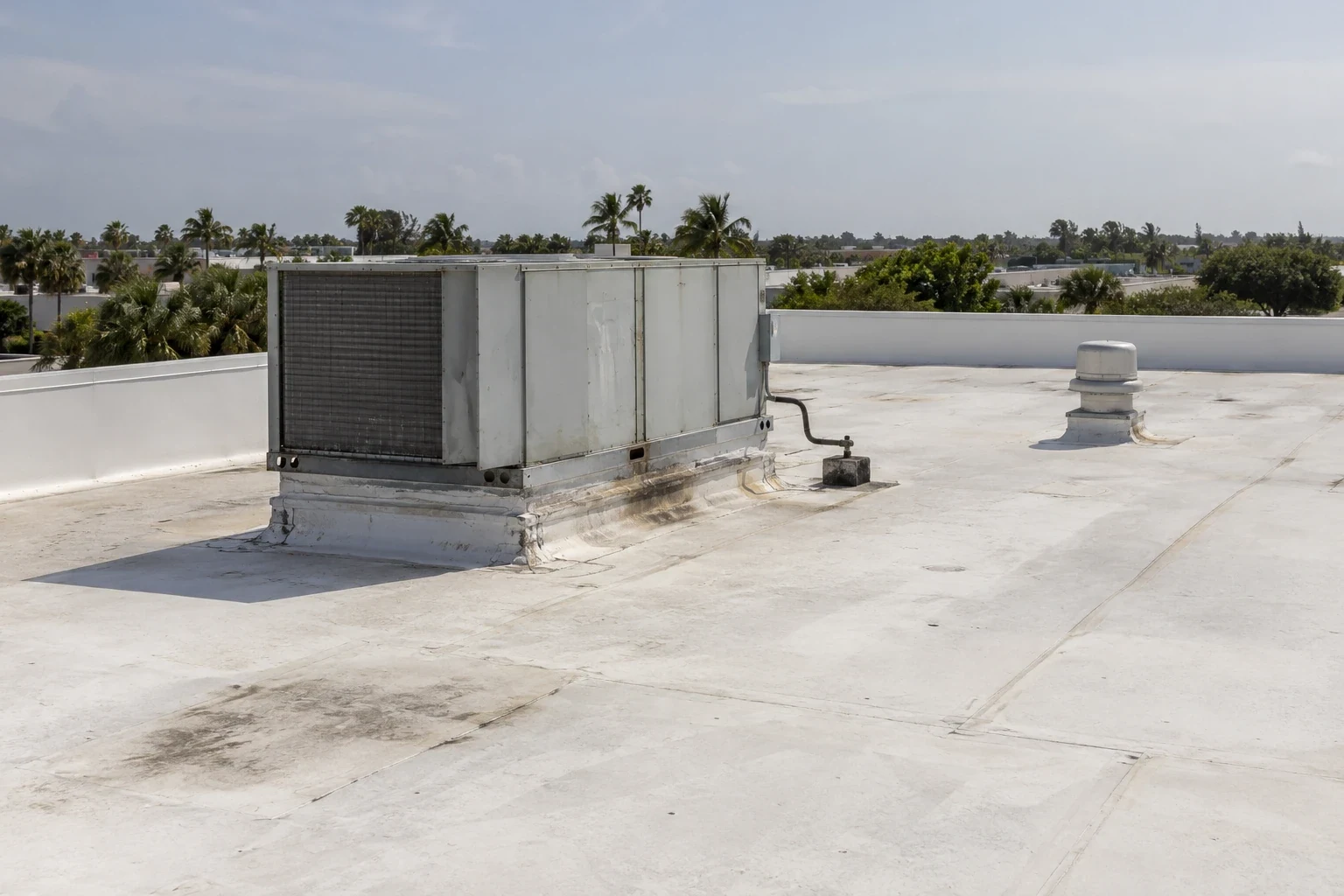
The existing roof needs review for adhesion, wet insulation, open seams, loose flashing, ponding, and incompatible materials. We identify areas that require repair or removal before the surface is prepared. A coating cannot bridge an unstable substrate or correct concealed moisture by itself. If readings suggest a wet area, an infrared moisture survey can focus testing; authorized core cuts confirm what is beneath the surface.
Surface preparation is part of the restoration, not a cleanup allowance with no boundary. The scope identifies cleaning, removal of loose coating, seam and flashing repair, primer where required, and the conditions that stop application. The selected system's installation requirements control temperature, moisture, and cure time. We record what happens if rain, dew, or a weather hold interrupts application and where the crew will close the day's work.
Plantation's warm, humid climate and substantial rainfall make dry-surface conditions critical to application. The South Florida wet season concentrates rain and thunderstorms from late spring into summer. We schedule around the actual weather window and verify the substrate before coating. If the surface cannot dry within the planned period, the crew postpones application instead of trapping moisture under the new layer.
Which repairs stay separate from the coating?
Seams, penetrations, drains, curbs, and perimeter transitions need their own preparation and repair details. We inspect each one and identify the material and tie-in needed before the field surface is coated. A drain bowl with a damaged flashing connection may require a drain and scupper repair; a split membrane or open lap may need a bounded roof repair. The owner sees each included detail rather than assuming the coating will resolve every defect.
South Florida severe weather can include damaging winds, flooding, hail, and occasional tornadoes, with tropical systems more likely from August through October. After a storm, we inspect the roof for displaced edges, flashing damage, impact, and moisture, then identify repairs required before restoration. Loose edge metal, displaced flashing, or impact marks may need repair before a restoration can proceed. A storm damage review can document observed conditions separately from the coating decision.
If moisture, deteriorated insulation, or attachment failure extends across several zones, removal or replacement may be more appropriate. We mark the evidence and price any opening or test needed to decide. Coating remains an option only when the inspected roof can support the specified preparation and finished layer. No area is counted as ready based solely on the visible top surface.
How do you set the coating quantity?
Quantity follows the measured surface, curb and penetration detail, parapet transitions, and repair areas. We identify the coverage rate and number of coats required by the chosen system rather than applying a broad allowance to every roof zone. The proposal states what is included, where reinforcing fabric or additional detail work is planned, and what condition would change the amount.
System choice follows substrate and exposure. Silicone and acrylic coatings have different handling and performance characteristics, and the manufacturer instructions govern use. The estimate lists the selected product family, compatible primer, system requirements, and project submittals for review. A silicone coating system may suit a compatible surface; an acrylic roof coating requires its own substrate and weather review.
Florida's 2023 Building Code requirements depend on the scope and assembly being altered. The design professional and local reviewer determine any requirements that govern the specific restoration. If the work changes insulation, drainage, or roof height, that coordination can change details and schedule. We identify the interface before coating rather than discover a curb or edge conflict after material arrives.
How does the weather window affect application?
Coating needs a prepared, dry surface and a window long enough for application and cure. Heat, humidity, wind, dew, and afternoon storms can affect the sequence. We set a daily close point and weather hold, identify how much roof can be completed, and protect transitions if work pauses. If rain threatens before the coat reaches its required cure, the crew follows the system requirements and documents the area needing inspection before work resumes.
Plantation Gateway's hospital and professional operations may limit roof access or staging, while Midtown's offices and retail uses can require tenant notice. We map delivery routes and occupied zones before staging.
If weather interrupts inspection or preparation, the scope records completed work and the next approval point. A temporary repair may protect an opening while the owner decides whether to resume restoration, expand testing, or compare a larger replacement.
What should restoration closeout show?
Closeout records the surface preparation, repairs beneath the coating, system and application areas, weather conditions, cure checks, and any exclusions. Photos tie details to roof zones before and after the work. The owner sees where the new surface is continuous and which transitions or separate repairs remain outside the authorization. A photo-supported roof report can preserve that baseline for later maintenance.
Maintenance after restoration still matters. The property team should keep drains clear, report new punctures or damage, and have seams, edges, and penetrations checked during future visits. We set the inspection interval from the system requirements and operating conditions, with visits focused on drains, seams, edges, and penetrations. A new interior stain should trigger a water-path investigation rather than an assumption that the coating failed.
To request a coating review, share roof records, leak history, access contact, occupied hours, and the decision deadline. We will inspect the assembly, map preparation and repair zones, and return a coating-versus-larger-scope comparison with weather limits and next approvals. The owner can see what the restoration includes and what needs testing first.
Commercial Roofing Questions
Can a coating go over a roof that has active leaks?
Not until the leak path and affected detail are repaired. We trace the entry, check nearby membrane and flashing, and confirm that the surface and substrate are suitable for preparation. Any concealed moisture gets a separate test and approval before the coating scope is set.
Will coating correct standing water on the roof?
A coating follows the existing surface and does not create slope by itself. We inspect drains, overflows, and low areas, then identify whether drainage corrections or a different assembly are needed before restoration.
How do you know whether our existing roof is eligible?
We review attachment, moisture, surface condition, seams, transitions, and material compatibility. The report identifies repair or test areas and keeps unverified zones separate. The final recommendation follows the confirmed assembly, not the appearance of the top coating alone.
What weather can delay a Plantation coating project?
Rain, dew, high humidity, wind, or temperatures outside the selected system's application requirements can change the work window. We set a close point and weather hold, then inspect the prepared area before application resumes.
Should we compare coating with replacement?
Yes when moisture, repeated failures, attachment, or substrate conditions could change the roof's serviceability. We price confirmed preparation and repair, identify any test allowance, and compare that boundary with recover or replacement using the same roof-zone evidence.
Related Roofing Work
Check the roof before coating
Send the roof records, leak history, access contact, occupied hours, and decision date. We will map preparation and repair zones before pricing the restoration.