
Ponding Water Roof Repair in Plantation, FL
Roof Damage Repair: Ponding Water Roof Repair
A puddle that remains after the rain has passed raises two questions: is the water path blocked, and has the roof assembly been affected? We first record where water sits, how long it remains, and whether a leak or ceiling change appears below. Then we inspect the nearby drain, scupper, overflow, roof surface, and transitions before recommending a repair. Fort Lauderdale's long-term record averages 60.95 inches of rain each year, including 37.49 inches during South Florida's rainy season. These rainfall patterns make drain capacity and roof slope practical inspection priorities in Plantation. Plantation Midtown spans an 860-acre mix of offices, medical facilities, retail, and housing, where access and occupied spaces can shape the inspection window. A Midtown roof zone gets its own outlet and surface review, with temporary water control separated from any slope or membrane correction.
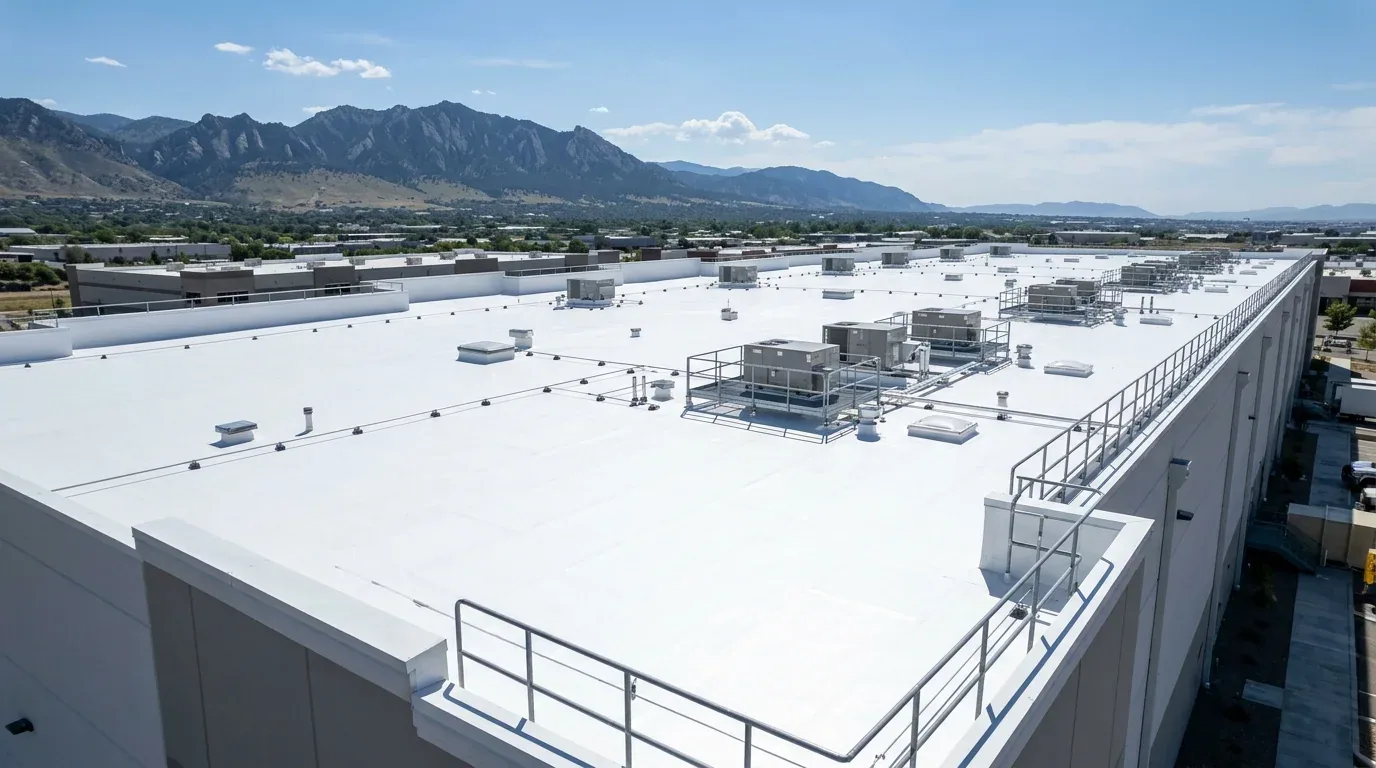
Where is the water collecting and leaving?
We map the low area, its boundary, and the route toward an outlet. The inspection checks strainers, drain bowls, scuppers, overflow openings, internal leaders where accessible, and any debris that restricts flow. We also look at the roof surface around the pond, including seams, curbs, equipment supports, patches, and changes in insulation. A blocked outlet can be a maintenance item; recurring water after outlets are clear may require slope, deflection, or concealed moisture investigation. We do not choose between those causes from a ceiling stain or a single visit during dry weather.
The manager can help by noting where water sits after different storms, whether it drains before the next rain, and if any interior mark has changed. Photos from the same roof zone make later comparison more useful. A drain and scupper service can clear and document an outlet path, while a full roof inspection checks the nearby assembly. If water has reached insulation, a moisture survey may help identify areas for confirmation. The report separates an observed low spot from the cause that still needs a test.
When does ponding become an urgent repair?
Urgency rises when water is entering the building, the roof cannot drain before another storm, or the affected area is near equipment, electrical systems, or an occupied room. We identify the location below and the person authorized to approve temporary protection. Water weight, movement at the deck, seam condition, and drain capacity all matter, but only an inspection can say which is relevant to that roof. If an outlet is blocked and safe to clear, that can be addressed separately from any membrane or slope work. If water remains, we set a control boundary and avoid opening more assembly than can be closed securely.
During the rainy season, repeated showers can reduce the available dry interval. Fort Lauderdale's normal rainy-season rainfall is concentrated in several months, and severe-weather risks can interrupt roof access. We prepare a stop point before removing material and state what remains exposed if weather closes the window. A flashing repair check may be needed where retained water reaches a curb or wall transition. If the ponding accompanies a roof opening, wind damage review can address a separate displaced component without assuming it caused the low area.
What repair changes the water path?
The repair should match the confirmed cause. Clearing an outlet does not correct a depressed area; adding a drain does not restore a wet or damaged membrane. We review roof contours, drain elevation, overflow location, insulation transitions, and any visible deck deflection before proposing slope work. If a tapered insulation plan is considered, the target is a functioning outlet path, not simply hiding the pond beneath another layer. Existing roof layers, attachment, deck condition, and code requirements determine whether recover is even an option.
A localized membrane or flashing repair may be suitable where the assembly is sound and water entry traces to one detail. If water has traveled below the membrane, selective testing can determine the wet boundary before replacement quantities are set. We keep outlet cleaning, membrane repair, insulation replacement, and structural evaluation as distinct cost lines when they are separate work. A recover assessment compares the existing assembly with a proposed layer; it should not be used to cover unresolved drainage. For an observed seam opening, a seam failure repair can restore a defined area once the adjacent field has been checked.
How does the work fit Plantation operations?
Access depends on more than the roof hatch. Plantation's SR 7 commercial stretch connects the Sunrise Boulevard end of the city to the Peters Road area and serves health, office, retail, dealership, and hospital properties. That broad commercial corridor may have different delivery patterns from a residential or office property, so the site contact confirms loading, patient or customer routes, equipment restrictions, and occupied hours. We identify a staging location for drain equipment or materials and keep fire lanes and entrances open as directed.
Plantation Midtown includes offices, medical facilities, mixed-use retail, housing, and a regional shopping cluster. If a ponding repair sits above an active space, the manager identifies interior protection and any restricted work periods. We can divide the project into roof sections with a daily closure boundary when the assembly permits. A phased roofing plan can identify which area gets addressed first, what tenants need notice, and when the crew will return. Weather holds may shift the sequence, but the owner receives an updated roof-zone status before work resumes.
What should the drainage record show?
For drainage work, closeout should map each outlet checked, record any debris removed, and distinguish an observed low area from a confirmed slope defect. If water remains after a reasonable drainage interval, record where it collects and whether the outlet path is clear. The building team can then decide between routine maintenance, a measured correction, or an assembly test. This keeps a water-depth observation from being mistaken for a complete diagnosis of the roof's framing or insulation.
If a drainage correction changes the assembly, the project professional can check applicable Broward County energy provisions and high-wind design requirements before the detail is finalized. A roof condition report can carry the drain, slope, and repair history into future budgets. Before closeout, we confirm any repaired opening is protected, record who approved added work, and identify the next check after rain. The owner should know whether the next decision is routine outlet maintenance, a defined membrane repair, moisture testing, or a broader drainage correction. That separates a recurring symptom from the work that changes its cause.
Commercial Roofing Questions
How long can water remain on a commercial roof before it needs attention?
The key question is whether it drains as designed and whether the water accompanies an active leak, deteriorating surface, or change in the deck. We document the location and timing, check the outlet path, and recommend testing only when the inspection shows a reason to look below the membrane.
Should we clear the drain before a roofing inspection?
Keep the area safe and tell the manager if debris is visible, but do not send staff onto a wet or unsafe roof. We can inspect the outlet and identify whether clearing it is sufficient or whether water remains because of slope, insulation, or another roof condition.
Does ponding mean the roof must be replaced?
No. A low area can result from a blocked outlet, surface or insulation change, or another condition. We inspect the drainage route and adjacent assembly, then compare a localized correction with testing or larger renewal only when the findings support it.
Can a new drain solve a recurring puddle?
It may help when the design and discharge path support another outlet, but the roof needs a slope and capacity review first. We verify where water collects, how it can reach the proposed drain, and what approvals or trade coordination are needed.
What do you need to price a ponding repair?
Share the roof access contact, location of the water, how long it remains, any leak below, and prior repair or drain work. We inspect the surface and outlet route, then separate confirmed work from moisture testing or design decisions that require approval.
Related Roofing Work
Trace the water path before adding to the repair scope
Tell us where water sits, when it appears, whether anyone below has reported a leak, and who can authorize roof access. We will check the outlets and roof zone, define any immediate protection, and return a drainage or repair allowance with a clear next decision.