
Commercial Roofing for Manufacturers in Plantation, FL
Industries We Serve: Manufacturers
Production cannot absorb an open roof without a defined stop point. A leak near a control room, line, or stored material calls for a roof boundary, interior protection, and an approval owner before removal begins. In Plantation, FL, manufacturing sites operate amid humid heat, frequent rain, and a regional industrial network. Pompano Beach's industrial and warehouse market includes manufacturing, distribution, and defense contractors; Coconut Creek's business incentives include eligible manufacturing activity. At each plant, the roof plan, equipment, and production schedule set the work boundary. We inspect the actual roof and plan the work around the process below it.
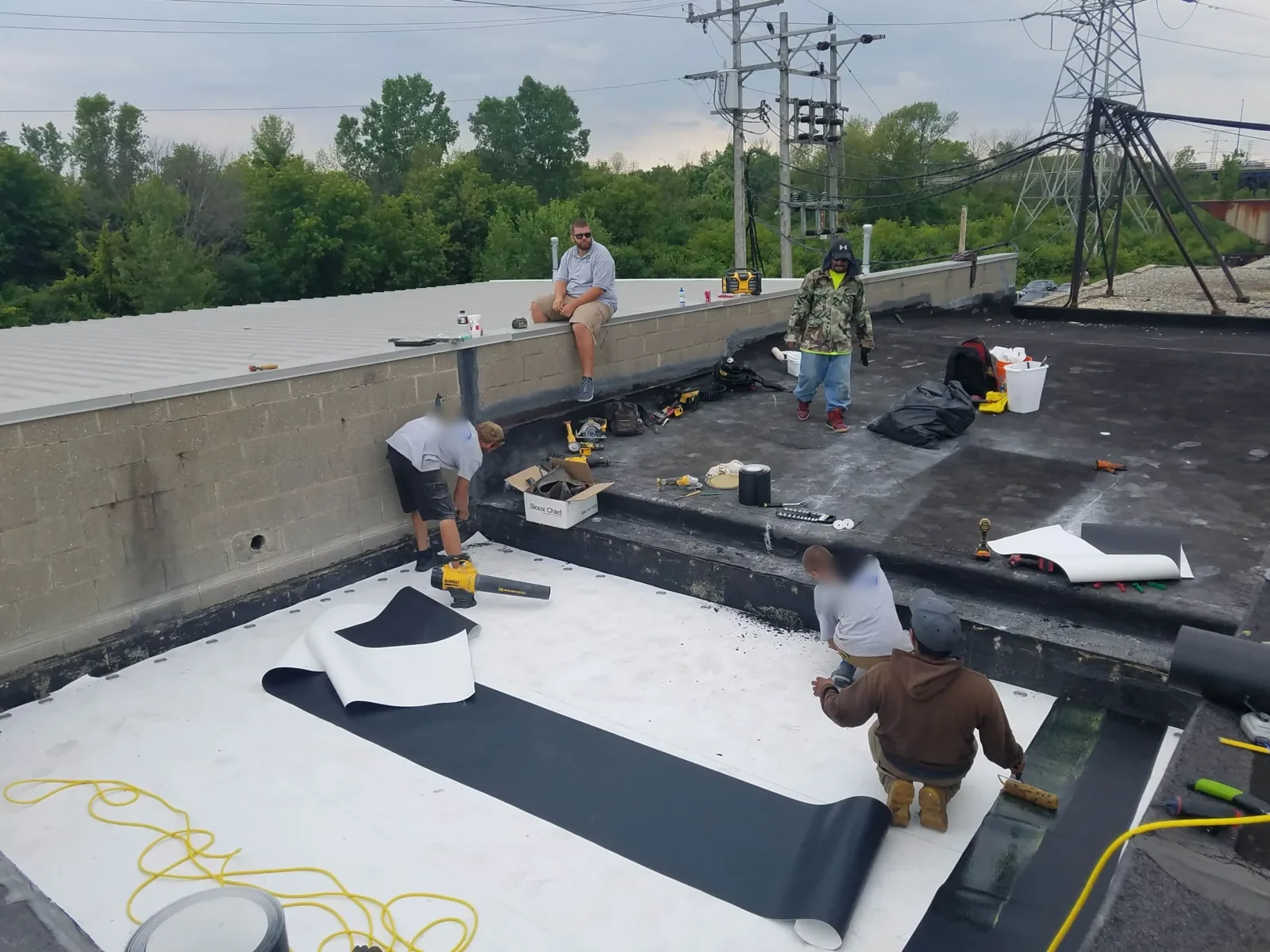
Which production areas must remain protected?
Identify active lines, electrical controls, dust-sensitive processes, exhaust paths, stored goods, and areas that cannot be cleared quickly. The plant contact sets sanitation procedures, lockout rules, roof access, and any hours when noise or vibration must stop. We map the affected line to the roof plan, then confirm which interior safeguards and production approvals are in place before opening that zone. If the water path crosses more than one production zone, each zone needs a named contact before the scope expands.
A plant shutdown window has a cost even when roofing work stays outside. Phased reroofing can sequence roof sections so an approved area is protected before the next one opens. A manufacturing-plant roof inspection ties the exterior defect to operations, while a logistics roof plan addresses loading movement where material flow crosses the work zone. The estimate should state staging, lift access, debris removal, and who can authorize a change in the production schedule.
How should roof equipment and process lines be handled?
Fans, exhaust ducts, cooling units, piping, and support frames can interrupt a membrane or metal panel. We inspect curbs, boots, seams, counterflashing, and fasteners around the equipment, then identify which trade may disconnect or move each item. The plant's assigned trade approves process or utility changes; our scope names the roof interface and required handoff. The work plan names the reset owner and who confirms safe operation after the roof detail is closed.
Repeated vibration or service access can stress a flashing over time, but the repair boundary still comes from inspection. Each equipment curb is logged with its own flashing condition; we compare that detail with the reported leak path before assigning quantities. A curb and support assessment can define the roof transition; a penetration-flashing review can separate a pipe or duct detail from an adjacent field seam. Coral Springs Commerce Park supports industrial and commercial uses including engineering, logistics, fintech, and aerospace. The mix underscores why one roof report should identify the actual unit, process contact, and access boundary rather than apply a generic plant assumption.
What changes when rain reaches an active process area?
Fort Lauderdale's long record shows a warm, humid subtropical climate with substantial rainfall through the year. South Florida's rainy season concentrates a large share of normal rainfall into several months, so drain capacity and temporary dry-in affect the work window. We check outlets, overflows, low points, seams, and penetrations above the affected process area. The scope states the roof section that can be opened and the limit the crew can close before a weather hold.
Storm activity can bring lightning, damaging wind, flooding, hail, and occasional tornadoes. Material staging and roof access need a stop rule that the plant supervisor can act on without waiting for an unplanned meeting. A drainage check records outlet condition; a wind-damage review documents edge, panel, and flashing conditions after severe weather. If an opening reaches wet insulation, we mark the additional zone and return for approval instead of extending removal into an active area by assumption. The production contact receives the status and next safe access window.
When does a local fix become a capital decision?
A repair can be supported when the defect is isolated, adjacent material is stable, insulation is dry, and the affected roof section can be closed to a sound transition. Multiple leaks, wet substrate, loose perimeter conditions, corrosion, or repeated failures around equipment may justify a larger renewal comparison. We state what is confirmed and what a test opening would establish. The proposal separates immediate protection, repair, insulation, deck work, and any equipment reset so the plant can compare the cost with the downtime requirement.
A recover is considered only after reviewing the existing layers, attachment, drainage, moisture, deck condition, and project requirements. A recover review describes whether another layer remains a viable option; TPO roofing can be considered when the selected assembly suits the building and its use. Replacement assemblies and product approvals need review against the requirements that apply to the facility and project scope. In nearby Davie, commercial improvement programs support business-property work. That makes a defined estimate useful for budgeting, though eligibility and roof condition require their own review.
What should the plant manager receive after the visit?
The report should show the roof zone, assembly, observed defect, test result, equipment interfaces, drains, temporary dry-in, and remaining exposure. Photos follow plant policy and avoid sensitive process or security details. If demolition reveals more wet insulation or a different deck than expected, we mark the added section and request authorization before proceeding. The closeout should also identify the material installed, seam or flashing detail, and what must be checked during the next maintenance visit. For a roof split across production halls, record which contact accepted the condition and which area remains outside the work authorization. Record temporary protection separately from permanent repair, including any material that must stay secured until the return visit. This distinction gives operations staff a clear status even when an approved work window changes at short notice. Include the weather hold, equipment reset, and return-to-service contact on the same closeout record so the next crew does not rely on a verbal handoff during a shift change.
Before dispatch, share the roof plan, affected line or room, work restrictions, safety orientation, equipment contacts, leak history, and who can approve a test or expanded scope. A photo-backed roof report can support a capital review, while a property-management coordination plan can align access when a plant sits in a multi-tenant campus. Coral Springs Commerce Park is one example of the region's varied commercial and industrial setting; every plant still needs its own inspection. For an active leak, tell us what process sits below and what work window is available. We will protect the approved area and state the next decision.
Commercial Roofing Questions
Can a roof repair fit between production shifts?
Often, if the plant defines access, protection, equipment, and closeout requirements in advance. We size the roof section to the authorized window and identify what must be secured before the line resumes.
Who can approve moving rooftop equipment?
The plant names the qualified equipment trade and its approval contact. Our scope isolates roof flashing and attachment work from any process, electrical, or mechanical change.
What information helps price production-area protection?
Share the affected line or room, roof plan, hours, sanitation rules, material handling limits, and equipment restrictions. Those details shape staging, interior safeguards, and how much roof can be opened.
How do you handle water found beyond the first repair area?
We document the added roof zone and material, secure the approved opening, and send a change request. Work outside the authorized boundary waits for the plant's next approval.
When should a manufacturer compare replacement with repair?
Compare renewal when repeat entry, widespread wet insulation, failing attachment, or several damaged details extend beyond one bounded area. We state the findings and test options behind that recommendation.
Related Roofing Work
Set a roofing work window that protects production
Tell us which process is affected, what access and shutdown rules apply, and who can approve a test opening. We will trace the entry, protect the roof zone, and price the repair or capital work with a clear closeout limit.