
Commercial Rooftop Equipment Curbs and Supports in Plantation, FL
Commercial Roofing Services: Commercial Rooftop Equipment Curbs and Supports
A rooftop unit can run normally while its curb or support begins to move, split, or admit water at the membrane. In Plantation, FL, we inspect the unit interface before setting a repair boundary: curb corners, base flashing, counterflashing, fasteners, support rails, and the surface around them. The report records the unit, roof zone, and observed condition, then separates roofing work from mechanical support or equipment work. If the unit must be lifted, the owner approves that coordination before the roof is opened.
Plantation Midtown's offices, medical buildings, retail, and housing rely on different operating schedules than the hospital, dealership, and professional properties along Plantation Gateway. The contact identifies equipment that must remain live and who can coordinate a shutdown. A Gateway roof inspection uses the property's access plan; a hands-on roof walk checks the curb and surrounding membrane.
Which curb details should be checked first?
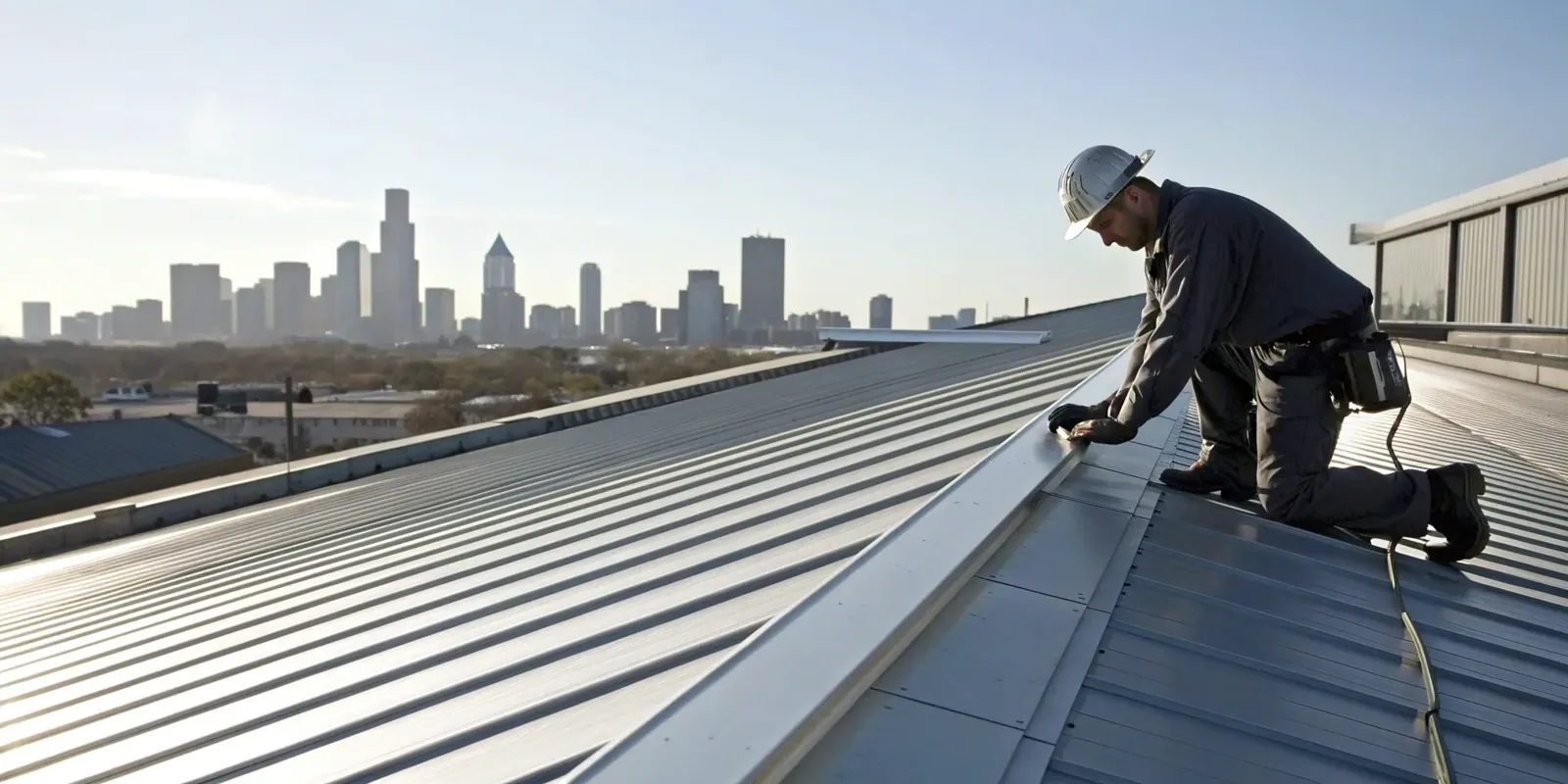
We inspect corners, flashing height, fastener lines, counterflashing, pitch pockets, and how the curb meets the roof surface. A small gap at one corner can direct water beneath the flashing even when the membrane field looks sound. We photograph each side and mark the detail by roof zone. If the curb is concealed by a unit or guard, the report identifies what cannot be confirmed without a lift or mechanical contractor.
Plantation's warm, humid conditions and substantial rainfall make well-closed transitions important. We look for cracked sealant, movement, open laps, and water marks, then distinguish a repairable edge from a curb that needs reconstruction. A curb flashing repair can address a defined tie-in; a penetration and curb review checks related roof openings. Equipment curb work remains separate from the unit's mechanical service.
Drainage around the unit matters too. A curb can interrupt a water path or create a low area that collects debris. We check nearby drains, scuppers, and overflows and record whether the unit blocks access. A drainage correction may be needed in addition to the curb repair. A new curb is included only when the roof layout, drainage path, and equipment plan support that change.
What changes when a support rail is loose?
Equipment supports carry loads through the roof assembly, so attachment and bearing conditions need review before repair. We record movement, corrosion or deterioration if visible, loose fasteners, damaged flashing, and any deflection reported by the owner. The roofer can repair the membrane and flashing interface; a structural or mechanical professional determines whether the support itself needs reinforcement or replacement. The estimate identifies that trade boundary rather than treating it as a roofing allowance.
If a support must be removed or reset, the work plan names who disconnects equipment, who controls the lift, where temporary protection begins, and how the roof will be closed that shift. A replacement scope may reset multiple equipment curbs when broader work is planned, but each unit interface is still listed. The owner sees lift coordination and roof quantities separately so the schedule accounts for the handoff.
Heat, humidity, lightning, and wind can affect rooftop access and equipment handling. During South Florida's severe-weather season, repeated storms may narrow the window for opening a curb. The manager confirms shutdown limits, access keys, and restart authority before the crew mobilizes. If active water entry exists, an urgent leak review can protect the interior while the equipment sequence is arranged.
How do you work around operating equipment?
The property team identifies which units serve occupied rooms, what cannot be interrupted, and who can authorize a shutdown. Plantation Midtown's medical and office properties may have sensitive spaces below rooftop equipment. Gateway's hospitals and professional buildings have their own access controls and delivery windows. We set the roof route, staging area, and interior protection plan with the contact responsible for that unit.
Before work starts, the scope states whether roofing can proceed with the unit in place or requires mechanical support. If a lift, crane, or service contractor is needed, the property owner coordinates that work and confirms the operator. The roofing crew protects the exposed curb area, performs the approved flashing work, and checks the tie-in before the equipment returns to service. No roof opening is left to an assumed handoff.
Where multiple units share a roof zone, each curb receives a label and closeout photo. That lets facilities staff track a repaired unit separately from nearby supports that were inspected but not included. A photo-supported roof record can carry those findings into maintenance planning without implying every unit has the same condition.
When should curbs be included in a larger roof project?
Include curb work in a larger scope when repeated flashing failures, damaged attachment, multiple roof layers, or height changes affect several units. The roof map identifies which transitions can be repaired in place and which need a reset. If testing finds wet insulation around a curb, an infrared moisture survey can focus verification. A wider replacement may coordinate new insulation, curb extensions, edge details, and membrane together.
Plantation Gateway's retail, medical, hospital, and dealership uses can require separate work phases by building. Midtown's office, housing, and shopping mix may affect delivery and access timing. We set a weather hold, temporary dry-in line, unit shutdown plan, and next approval for each phase. The proposal distinguishes a single curb repair from the added quantity needed to modify multiple units during reroofing.
Florida's code requirements for a roof alteration depend on the project scope and assembly. The design professional and local reviewer determine what applies; the roofing estimate records the curb, flashing, and membrane work. Structural support, electrical wiring, and mechanical reconnection remain assigned to the responsible trades. That keeps the roofing authorization complete without promising work outside the crew's scope.
What should the equipment curb closeout include?
Closeout lists the unit or support label, roof zone, curb and flashing detail, attachment work, material used, photos before and after, and any condition left outside authorization. It states who reconnected or tested the equipment and whether a follow-up observation is needed after rain. A roof repair is not described as complete until the membrane and flashing boundary is closed and the property contact has the handoff record.
To arrange a curb review, share the unit location, roof access instructions, whether the equipment can shut down, what room it serves, and any leak history. We will inspect the interface, identify trade coordination, and return a measured roofing scope with the shutdown and weather assumptions. The owner knows whether the next approval is flashing repair, support work, a test, or a broader roof project.
Commercial Roofing Questions
Can you flash a curb without shutting down the rooftop unit?
Sometimes. We inspect access, curb clearance, and the repair boundary first. If the unit blocks the work or support needs adjustment, the scope identifies a mechanical shutdown or lift as a separate coordination step before roofing begins.
Who is responsible for lifting or reconnecting the equipment?
The property owner arranges the qualified mechanical or rigging contractor. We define the roofing work before and after that handoff, including temporary protection and the curb detail that must be closed before the unit returns.
Why is water collecting beside an equipment curb?
The curb may interrupt the flow path, or a drain, scupper, or low area may be involved. We map the surface and outlets, then separate a drainage correction from flashing repair so each quantity matches the observed condition.
Can a loose support be repaired by the roofer?
We can repair the roof membrane and flashing around the support. A structural or mechanical professional determines whether the support itself needs reinforcement, replacement, or a load review. The proposal names that boundary before work is authorized.
What should we send before a curb inspection?
Provide the unit identifier, roof plan, leak location, access contact, shutdown limits, and who can authorize equipment movement. That lets us plan a safe route and identify whether a mechanical contractor must attend.
Related Roofing Work
Inspect the roof-to-equipment transition
Send the unit location, roof access contact, shutdown rules, and leak history. We will define the curb flashing boundary and any trade coordination before opening the roof.