
Commercial Roofing in Davie Community Redevelopment Area, Davie, FL
Service Areas: Davie Community Redevelopment Area
A leak inside Davie's Community Redevelopment Area can involve a business district, an industrial property, or a building beside an active neighborhood. The CRA covers 1,104 acres and its programs include commercial-property improvement grants and incentives for business and industrial expansion. Those programs create a planning context, not a roof diagnosis. We begin with the building's active issue: where water appeared, which roof section sits above it, and what needs protection before removal. If the leak is active, temporary dry-in may come first. The permanent scope follows observed membrane, flashing, drainage, and moisture conditions, with each approval tied to a defined roof zone.
What needs documenting before repairs?
Record the interior symptoms and the operational constraints together. Identify affected rooms, equipment, inventory, occupied hours, access restrictions, and who can authorize roof work. On the roof, we check the reported area and adjacent seams, flashings, penetrations, drains, and edges. Water can travel through insulation or along the deck before reaching the room below. A ceiling stain alone does not show the exact entry point. We document what is visible, where the water path is supported, and what test or opening would resolve uncertainty.
If rain is moving through the area, emergency response is available all day and through holidays, subject to safe access. The first-hour work may protect the interior and cover an opening, while a permanent repair waits for a safe surface and compatible tie-in conditions. We state the temporary boundary and the remaining exposure in the closeout. That record keeps an interim measure from being mistaken for full restoration, and gives the property contact a clear next approval.
How can surrounding infrastructure affect the plan?
Area improvements include storm sewers, roads, sidewalks, lighting, and water lines. That is area-level infrastructure context, not evidence of roof drainage at an individual site. Still, when planning a roof project, the owner can confirm whether access, deliveries, staging, or discharge routes interact with public improvements. We verify those details with the property contact and identify the permitted work area. A crew should not assume that a sidewalk, loading zone, or roof access point is available because it appears open.
On the roof, stormwater starts with the drainage details in the assembly: drain bowls, strainers, scuppers, overflow routes, and low points. During the wet season, debris or a changed roof height can lead to ponding. Clearing a drain can restore flow but will not repair a separated membrane seam or wet insulation. We record the exact observation and keep roof work separate from public infrastructure tasks. A drain and scupper service can address accessible obstructions, while a roof inspection evaluates the membrane, flashings, and drainage details as one system.
How do improvement programs affect roof decisions?
For an eligible commercial or industrial improvement, the roofing record can define inspected areas, photographs, repair alternatives, and site limitations for the owner's review. An owner considering an eligible project still needs a roof scope based on actual condition, access, assembly, and operational requirements. We can document the roof areas inspected, photographs, repair alternatives, and limitations. We do not treat program eligibility as approval of a particular roofing method or assume a grant will cover a specified item. The owner can compare that scope with the program's current requirements and decision process.
A repair may be appropriate when the failure is localized and a sound tie-in is possible. Recover or coating options require checks for moisture, attachment, layers, drainage height, and compatibility. Replacement may be more sensible when defects are widespread or recurring. A roof condition report keeps observations clear, and a capital plan can compare timing across sections. For a project with occupants below, phased reroofing should name tenant protection, access, noise limits, and daily closure points.
What does the South Florida weather change?
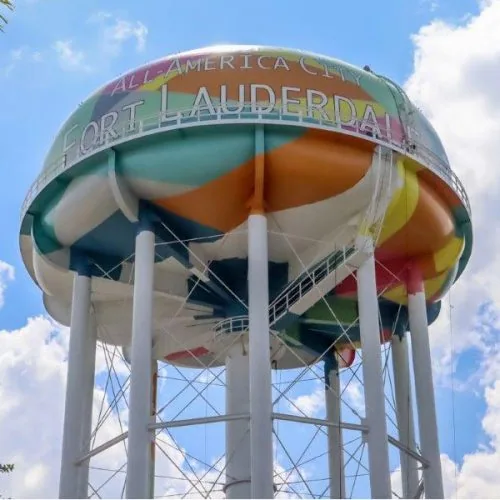
Fort Lauderdale records 60.95 inches of normal annual rain, a regional reference for work timing in Davie. During wet months, water can arrive in short intense bursts, while tropical systems can affect safe access and surface preparation later in the season. The forecast for a specific workday still controls dispatch. Those conditions affect roof access, exposed material time, drainage demand, and the chance a crew can complete a permanent tie-in in one visit. The estimate should identify the weather hold point and how the roof will be protected if conditions change.
We phase removal so the approved area can be closed before the crew leaves. If a storm interrupts work, the owner should know what remains under temporary cover, which interior areas still need protection, and when safe access can resume. Industrial staging or neighborhood-facing work may add traffic, noise, or delivery constraints; we confirm those with the property contact before mobilizing. A schedule should identify the person authorized to move a work window or approve additional materials discovered after removal.
Which conditions change cost and timing?
Cost follows the actual roof and the conditions needed to complete the repair. Removal and disposal, wet insulation, deck repair, compatible membrane and flashing, lift access, interior protection, staging, and work outside occupied hours can all change the proposal. We distinguish confirmed quantities from allowances and state the findings that would trigger extra work. If an owner needs a faster decision, the proposal can separate immediate protection from a permanent solution rather than leaving both in one undefined price.
Timing also depends on approvals, safe access, dry surfaces, and material availability. If opening the roof may reveal concealed damage, set the approval path before removal begins. The crew can document the condition, pause at the agreed boundary, and contact the named decision maker. That avoids an unplanned expansion or an exposed section waiting for an authorization. A repair scope can address localized damage; if evidence points to broader renewal, a replacement review can compare removal and replacement against continued repairs.
What should the owner authorize next?
The next approval should name the roof section, protection below, access route, work hours, materials, and closure point. It should also state who can approve concealed repairs and how the change will be documented. After work, retain photos, the repair location, materials used, any weather hold, and remaining concerns. If the project relates to a property-improvement program, keep the roofing record distinct from program forms and approvals. Each document should be clear about the decision it supports.
Send the roof plan, reported leak locations, previous repair history, access rules, and the contact who can authorize testing or removal. Tell us whether the building must stay occupied and what space sits below the concern. We can inspect a Davie CRA property, protect active leaks when conditions permit, and present a permanent scope with its limits. A roof concern in the wider Davie market can involve business and industrial properties, while the Downtown Davie Road Corridor brings retail, office, traffic, and stormwater conditions into the roof-access plan.
Commercial Roofing Questions
Does a CRA property-improvement grant determine which roof work is approved?
No. The program has its own eligibility and approval rules. We document the roof condition and proposed scope so the owner can evaluate it through the applicable program process.
Does the CRA's storm-sewer investment mean a roof drain is maintained?
No. Public infrastructure and private roof drainage are separate systems. We inspect the building's drains, overflows, and discharge details and state any work the roof requires.
Can the crew leave a repaired roof section open overnight?
No exposed section should be left without an agreed closure plan. We define the removal boundary, close each authorized section, and use interim protection if weather or concealed conditions delay permanent work.
What can make an industrial roof repair take longer?
Restricted access, equipment movement, staging, concealed deck or insulation damage, and wet weather may change the sequence. The estimate and daily plan should identify those conditions and the person who can approve added work.
Should the owner inspect the whole roof after one leak?
The first visit should document the reported area and related details. If similar conditions appear elsewhere or the roof has a broader history, we can define a separate condition review with clear limits.
Related Roofing Work
Connect the roof scope to the site plan
Share the roof plan, reported conditions, access requirements, improvement timeline, and person who can authorize work. We will document the roof evidence and separate immediate protection from the permanent scope.