About Us

Commercial roof repair, replacement and maintenance in Plantation and across Broward County.

Commercial Roofing in Plantation, FL

An active leak makes the first hour about protection, not a guess at the final roof scope. Commercial Roofing Plantation works with building owners, property managers, facility teams, asset managers, and general contractors on low-slope and metal commercial roofs. We inspect, repair, replace, recover, restore, coat, and maintain roof assemblies, then put the observed condition and next approval in writing. The first call should identify the roof zone, interior space to protect, access authority, and required response window.

Plantation buildings operate under South Florida heat, humidity, and repeated rainy-season storms. Fort Lauderdale's nearby long-record climate station reports substantial annual rainfall, with a large share concentrated in the regional wet season. That affects drain checks, work windows, temporary dry-in, and the amount of roof we can safely open before weather forces a hold. For each Plantation property, an inspection establishes the roof assembly, drainage, attachment, and interior exposure.

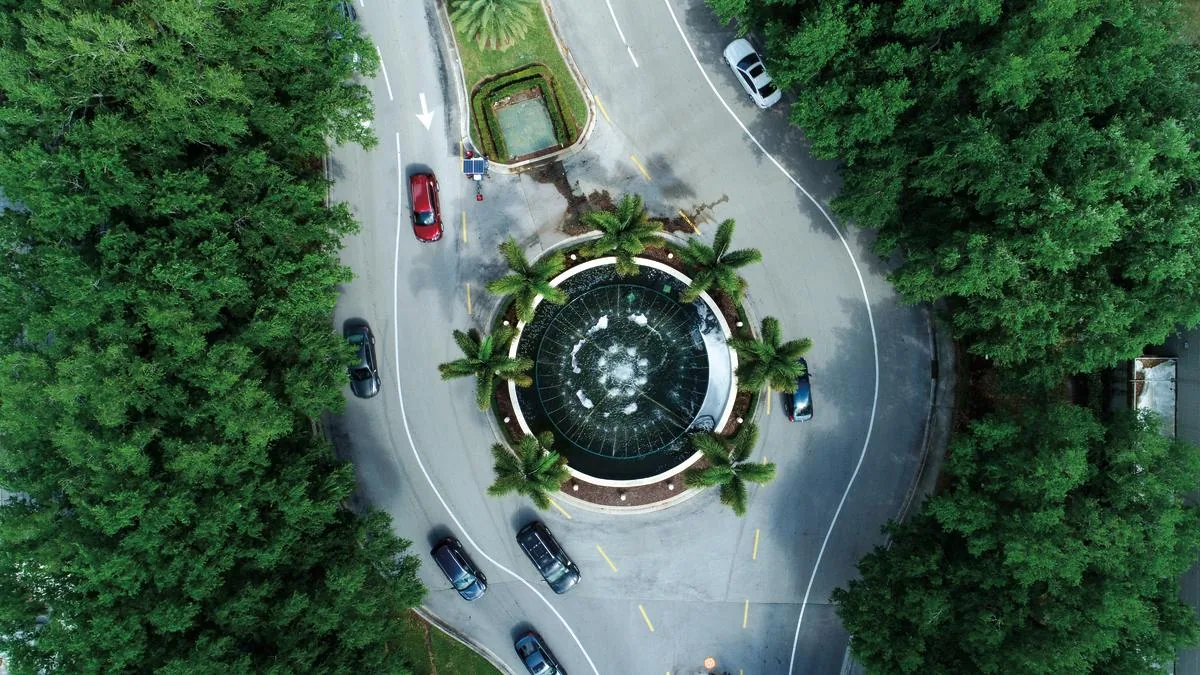
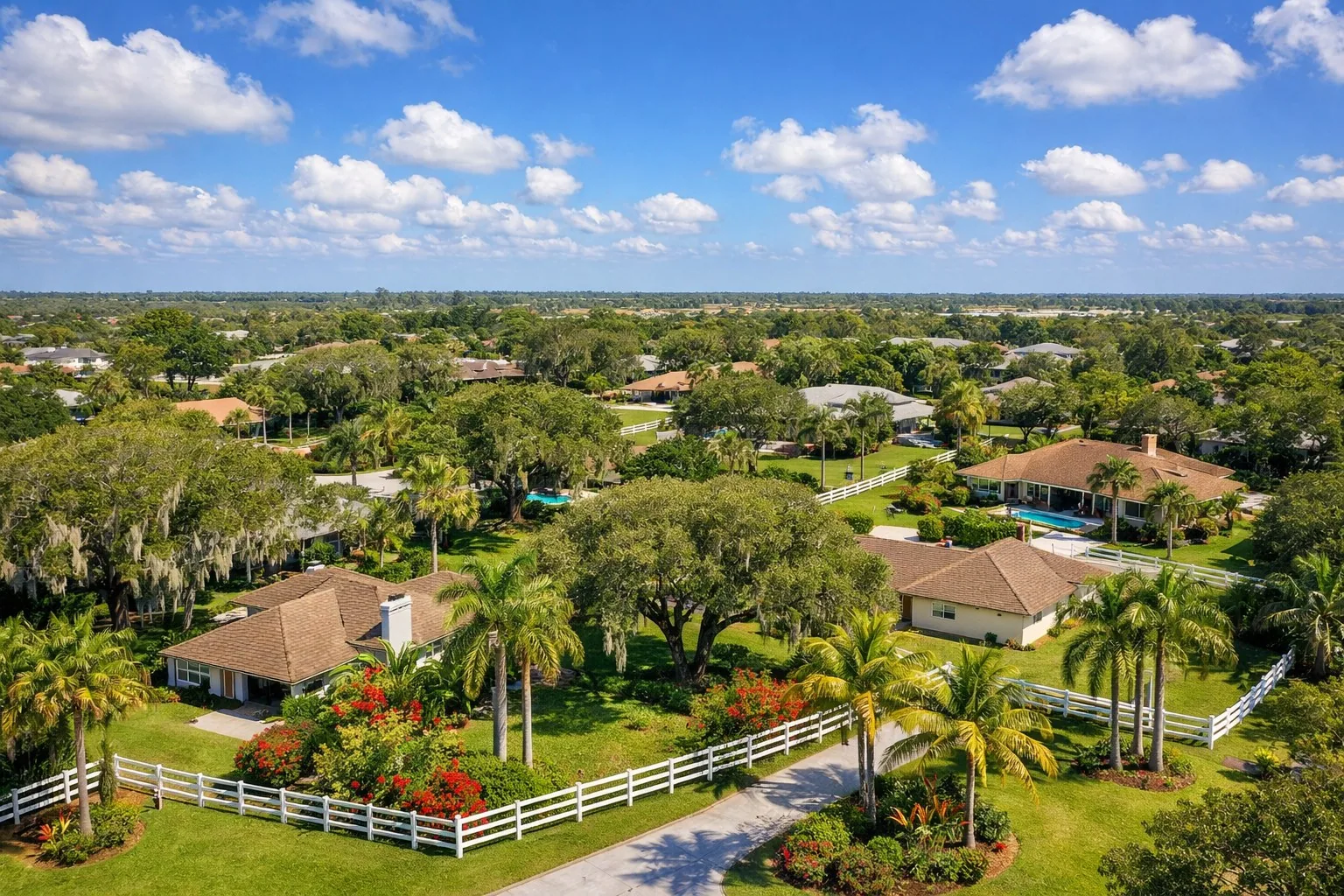
Tree-lined road in Plantation, Florida

Protect the space below while we trace the entry

For an active leak, we identify the affected interior area and set the temporary work limit above it. The inspection checks likely water paths through seams, penetrations, parapets, drains, scuppers, curbs, and edge metal. Water can travel before it reaches a ceiling, so the first visible stain is a starting point rather than a roof diagnosis. Photos record what is confirmed and what still needs an exploratory opening. If testing is required, we mark its location and size, state how the opening will be secured, and get authorization before removal expands.

Our emergency roof response can provide around-the-clock protection, including nights, weekends, and holidays. Interim dry-in is listed apart from permanent repair. That lets the owner see what has stopped immediate exposure and what remains to restore the membrane, insulation, or flashing. If a storm interrupts the job, the crew closes the approved boundary, records remaining work, and arranges the next visit with the person who can authorize access.


Make the repair choice fit the installed assembly

A roof decision starts with what is on the building. We compare roof plans and available product records with membrane markings, seam construction, attachment, flashing, insulation, cover board, deck, drainage, and earlier repairs. One building can have different systems or replacement generations across its roof zones. If a record and field condition disagree, we identify that difference before material is ordered. A commercial roof inspection documents accessible conditions; a drone inspection can help review hard-to-reach areas, and an infrared moisture survey can help identify areas for further testing.

A bounded repair may be suitable when damage is localized, surrounding sheet and attachment remain serviceable, and lower layers are dry. Repeated leaks, broad moisture, open seams, or failed perimeter details can change the recommendation. We compare a repair with a recover option or replacement scope for the inspected section using matching boundaries and access terms. The estimate separates measured work, concealed-condition allowances, staging, disposal, insulation, edge work, and the next approval. We tie each test result to the roof zone examined and list any uninspected areas separately.

Keep maintenance work tied to visible roof zones

Coatings and restoration can be useful when the existing assembly, substrate, seams, and moisture condition support the proposed system. They do not dry wet insulation or correct a failed deck by covering it. We identify prerequisite repairs, surface preparation, weather limits, and the part of the roof included. Roof coating restoration is scoped after inspection, not as a substitute for identifying the leak.

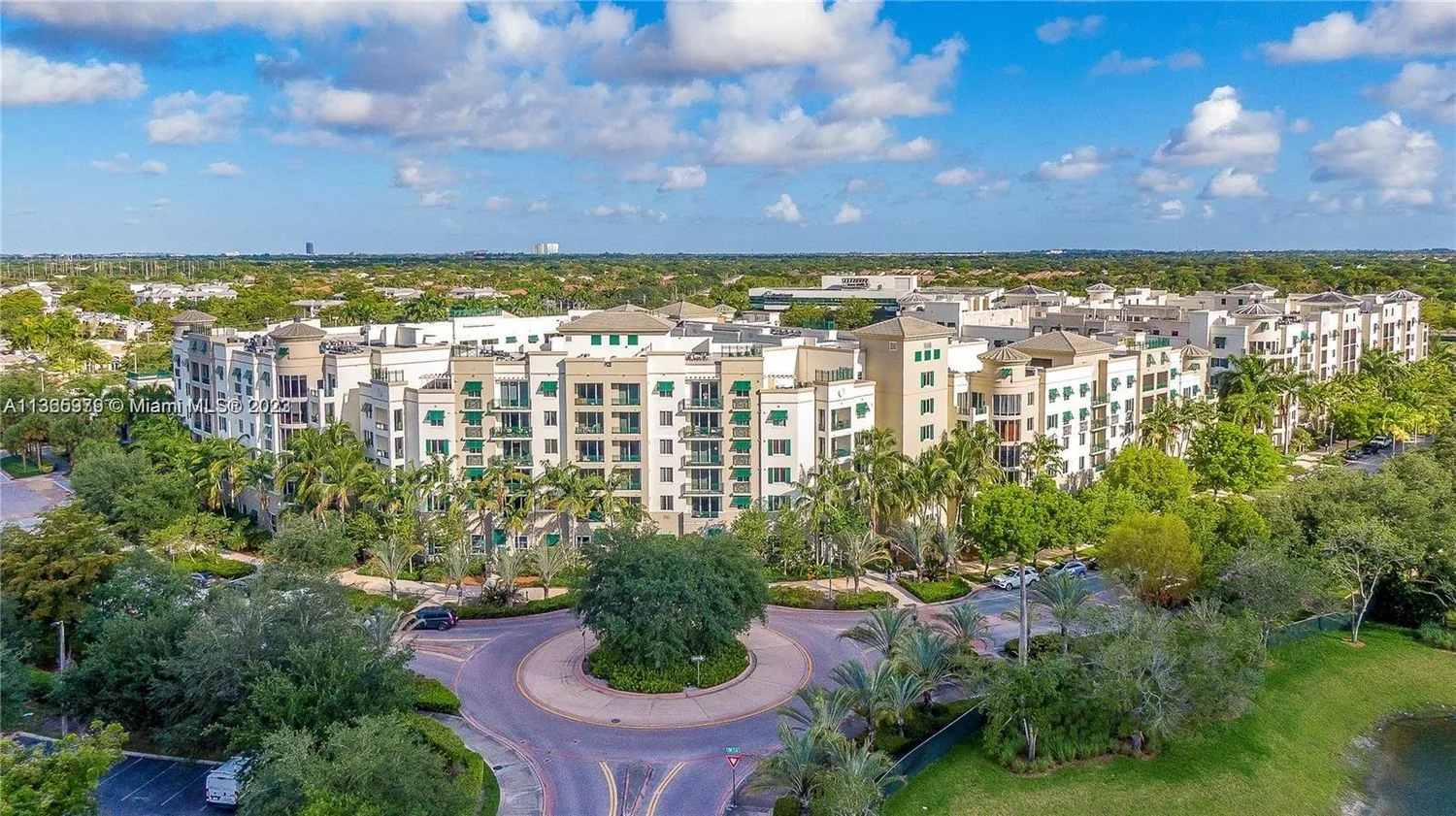
Maintenance records should show which sections were checked, what was repaired, what remained open, and when a return visit is due. Preventive maintenance can track drain conditions, seam and flashing observations, and follow-up needs across a property. The Midtown district pairs corporate workplaces and clinics with homes, retail, and a regional shopping destination. That mix makes occupied-hour coordination and interior protection specific to each building. We use roof-zone labels in records so staff can identify the work area without relying on a tenant name.

Work with the operating context in Plantation

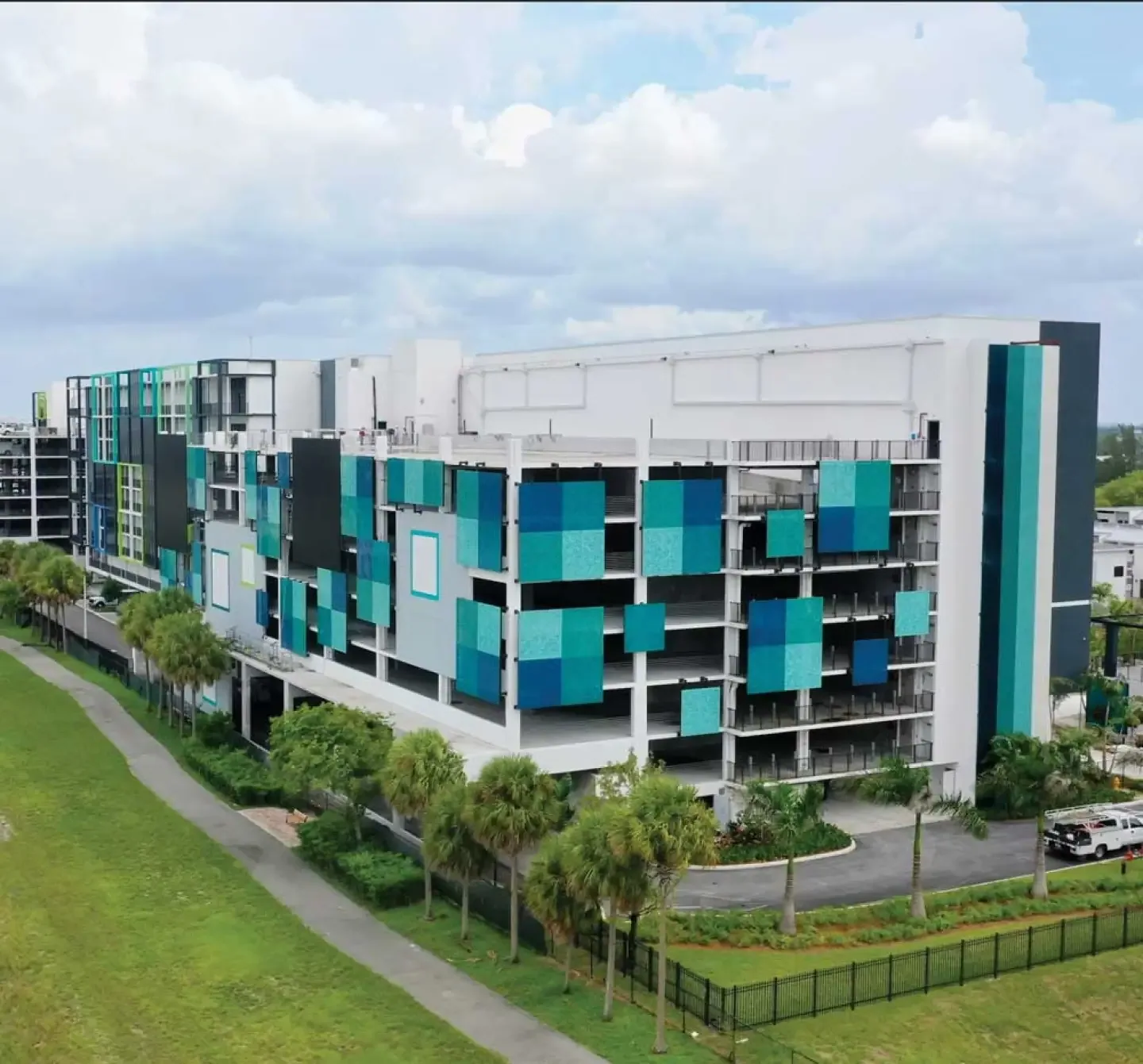
Plantation Gateway spans the State Road 7 corridor between Sunrise Boulevard and Peters Road, bringing clinical, professional, vehicle-sales, retail, and hospital activity into one commercial district. The building contact confirms the actual site access, deliveries, occupied areas, and limits on staging. The property inspection establishes roof type, age where known, and current condition. We ask how crews reach the roof, where materials can be staged, what interior area needs protection, and who can approve a test opening.

A multi-property owner may need one response at an occupied office, another at a production site, and a separate schedule for retail space. We keep each roof plan, access approval, equipment review, and work window tied to the building under repair. When a portfolio spans the region, one property’s material choice or leak history does not substitute for inspection at another. We coordinate roof work in Plantation Midtown, Plantation Gateway, and surrounding Broward cities, with access and staging planned for the inspected property.

Know what is authorized and what comes next

Before dispatch, share the roof plan, prior repair history, access instructions, and the person who can approve testing. We confirm the immediate protection need, inspect the relevant roof zone, and return the findings with photos and quantities. The written scope separates permanent work from interim dry-in, measured repairs from allowances, and confirmed conditions from what remains concealed. It identifies exclusions, weather holds, occupied-hour needs, staging, and any return visit. The owner knows what is being authorized and what information could change the price or timing.

We coordinate with the property contact during the work, secure each approved opening before crews leave, and record changes before extending the scope. Closeout lists material and detail work, the roof sections completed, conditions not addressed, and the next decision. For a portfolio, the same record discipline can support comparisons across locations while preserving separate findings for each building. The handoff identifies interior protection, the observed condition to repair, and the roof record needed for maintenance or capital planning.

Commercial Roofing Plantation: Common Questions

  • Do you provide emergency roof response outside business hours? Yes. Emergency response is available around the clock, including weekends and holidays. We confirm access, protect the interior, and set the temporary work boundary before permanent repair is scoped.
  • How do you decide between repair, recover, or replacement? We inspect the membrane, attachment, insulation, deck, drainage, and flashing, then compare the same roof area and access assumptions across options. Concealed conditions remain identified as allowances until tested.
  • Can roof work continue while tenants or operations remain active? We coordinate occupied hours, interior protection, staging, and daily closeout with the facility contact. Phasing depends on whether the roof can be divided into secure sections.
  • What should an owner provide before the first visit? Share the interior leak point, affected roof zone, building plan, prior repairs, access limits, and the person who can authorize testing. Those details help set a useful first inspection and protection plan.

ServicesRoof SystemsIndustriesProperty TypesService AreasDamage RepairCapabilitiesManufacturersContactAboutRequest a Roof Assessment555-555-5555
Call now555-555-5555