Commercial Roof Maintenance in Plantation, FL
Commercial Roofing Services: Commercial Roof Maintenance
Maintenance should turn each roof walk into decisions before the next storm. For a commercial property in Plantation, FL, we map drains, seams, edges, penetrations, and prior repairs, then record what needs action and what can stay on a watch list. The owner receives zone-labeled findings, photos, and an allowance only where access or concealed conditions could change quantity. Routine upkeep stays separate from a capital decision.
Plantation Midtown combines office, medical, retail, and housing uses; Plantation Gateway adds hospitals, dealerships, professional offices, and shopping along State Road 7. Operating hours and equipment below affect the route and repair window. The contact for a Midtown commercial property can identify occupied zones before we begin. We schedule around the building, not a standard sequence.
Which roof areas belong on the routine walk?
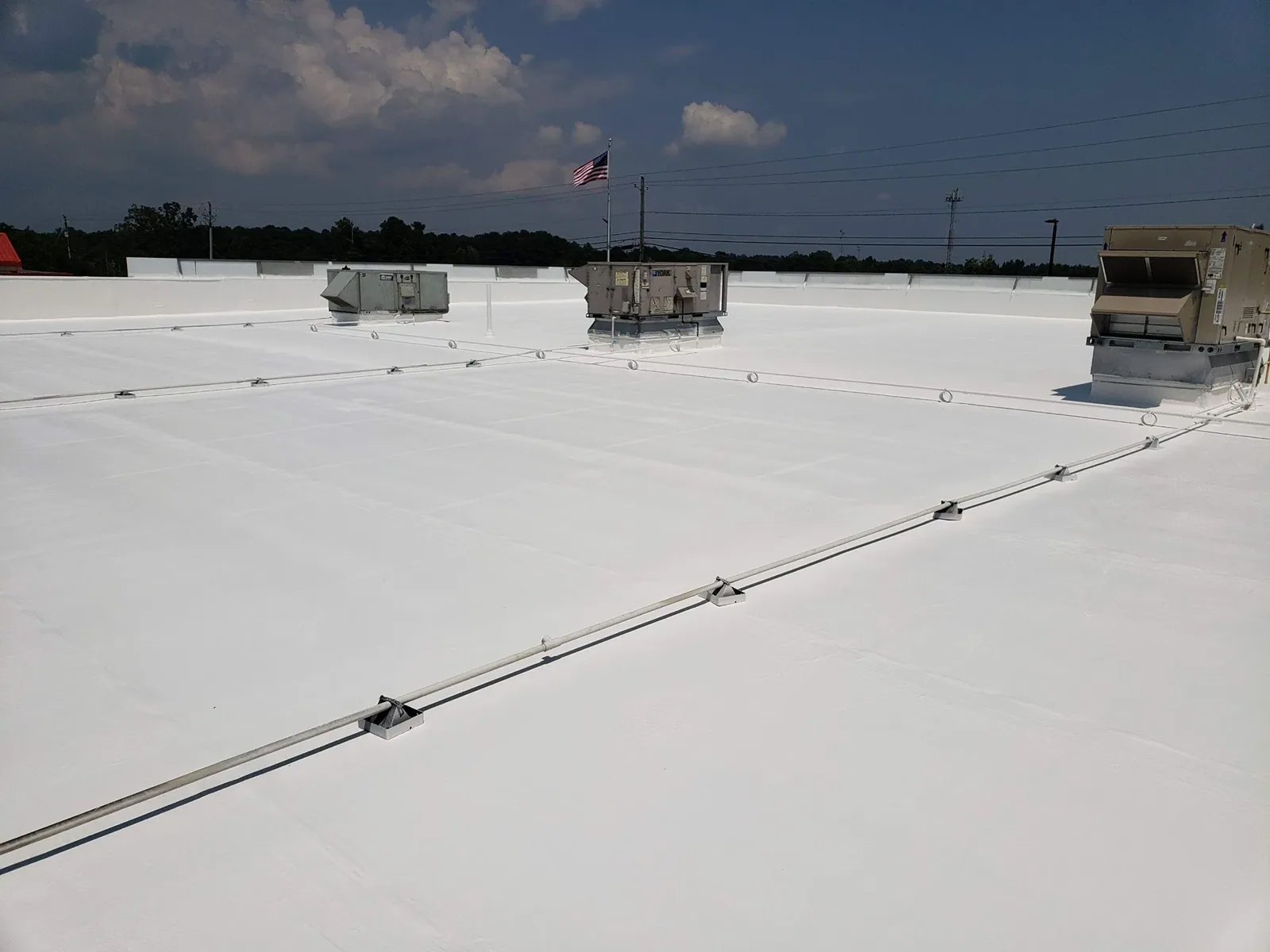
The route follows where water should travel and where the assembly changes direction. We clear and inspect primary drains and overflows, check seams and flashing terminations, examine curbs and penetrations, and look at edge metal and roof transitions. The report labels each condition by zone, with a photo showing the detail and the next action. We record access limits, loose materials, and areas not reached safely so the manager can distinguish an incomplete view from a clean result.
Fort Lauderdale has a warm, humid climate and substantial annual rainfall, making outlet capacity and sound flashing practical priorities before the months with the heaviest rainfall. A pre-season walk can find debris at drains, loose sealant, open laps, or details that need a dry-weather repair window. A drain and scupper service can correct an outlet or overflow detail; a planned roof repair handles a separate membrane or flashing defect.
After a storm, the next walk should check exposed edges, rooftop equipment transitions, and areas with a reported leak. After wind or hail, an inspection identifies whether the roof has damage that needs attention. We photograph what is present at the property and distinguish new conditions from prior maintenance records. If an active opening needs protection, emergency service takes priority over the routine schedule.
How do you rank maintenance items?
Priority follows the water risk, consequence below, and evidence on the roof. An open flashing transition above a sensitive room may need prompt repair; a minor surface issue with no path for water may be monitored and revisited. The report separates protect, repair, monitor, and test items, then states what would move a condition to a higher priority. A property manager can authorize a defined repair without treating every observation as an emergency.
Plantation Gateway includes medical, professional, retail, and hospital uses, where work hours and equipment access can affect cost more than the repair material. We identify the occupied-hours constraint, delivery route, escort, and any shutdown needed before pricing. Davie Road's redevelopment area includes retail and office properties, with public parking, transit links, and stormwater work among the corridor considerations. We confirm a property's current loading and staging access before planning a roof visit. A Davie Road commercial roof visit is planned with the property's actual access contact.
Recurring service can also establish a maintenance baseline: what was repaired, what changed, and which areas need a follow-up after the next heavy rain. A photo-supported roof report preserves that history by zone. We identify when a condition appears broader than maintenance and recommend testing or an assembly review as a separate approval.
What should happen before heavy rain?
Before a wet-weather period, drainage paths and roof openings deserve a quick check. We look for debris at outlets, loose objects, ponding indicators, open seams, and flashing that has pulled away from a curb or wall. We record whether water remains after the roof has had time to drain, then identify whether the outlet or slope needs a closer evaluation. The manager can approve clearing, repair, or measurement as separate work.
South Florida severe weather peaks from May through August and can include damaging winds, flooding, hail, and occasional tornadoes. Tropical systems are more likely in the late summer and fall. If a forecast affects the work window, we state the temporary protection boundary and weather hold. A hands-on inspection can verify conditions after the storm, while a leak investigation follows an active water-entry path from the affected room.
Maintenance does not replace a repair authorization when removal or testing is needed. If a roof section has repeated failures or confirmed wet insulation, we identify the evidence and price the larger review separately. A recover assessment or replacement scope can then be compared with the same zone map.
Can maintenance fit around building operations?
The route and repair window need to fit who uses the building below. Plantation Midtown's mix of offices, medical facilities, retail, and housing can require different notice, escort, and equipment protections by roof zone. Along Plantation Gateway, dealerships and hospital operations may constrain staging or delivery timing. The owner tells us which spaces cannot be interrupted, what equipment needs clearance, and who can authorize access.
We group compatible work into a visit when it reduces repeated mobilization without leaving an opening exposed overnight. The plan identifies roof access, staging, waste removal, interior precautions, and the person who receives a weather update. Heat and humidity affect safe work periods, while lightning, wind, or rain can stop roof access. A weather hold records what is complete and what remains protected until the return visit.
For occupied spaces, the closeout records noise, dust, or temporary restrictions for the manager to communicate. We tie the update to a roof-zone label so facilities staff can direct tenants or maintenance personnel to the relevant area. The work plan accounts for room and equipment constraints at the specific property.
What should the owner receive after each visit?
Closeout should include the service date, weather, roof-zone map, condition photos, completed maintenance, deferred items, and any repair authorization still open. Each recommendation names the reason, priority, and next approval. We identify which quantities are confirmed and where testing or removal could change the amount. If the assembly needs broader review, the report states what evidence supports that path and what remains unknown.
The property team can use the record to compare later visits, track recurring leaks, and plan capital work. The maintenance log records what was checked and repaired, giving managers condition-specific history for the next inspection. If a condition worsens, the owner can identify when it changed and decide whether to move from monitoring to a measured repair or replacement evaluation.
To set a maintenance visit, share the roof plan if available, recent leak locations, access contact, occupied hours, and any storm or repair history. We will map the walk, document each roof zone, and return a prioritized list that separates routine work from the next capital approval. The owner knows what was completed, what remains, and when the next check is due.
Commercial Roofing Questions
What should a maintenance visit produce besides photos?
The closeout should label roof zones, list completed work, identify repair and monitor items, and name any test or return visit. We connect each photo to a recommendation and state who should approve the next step. That makes the visit useful for budgeting and facilities coordination.
Should the roof be checked before Plantation's rainy season?
A pre-season walk can identify blocked outlets, open details, and repairs that need a dry-weather window. We set priorities from the actual roof condition and forecast, then separate maintenance from any larger repair or moisture test.
Can routine maintenance include minor repairs?
Yes, when the work is defined, authorized, and compatible with the roof system. We list the material, zone, and quantity included, while keeping concealed conditions or expanded removal as a separate approval.
How do you handle maintenance at a medical or retail property?
The property contact identifies occupied rooms, equipment, delivery windows, and roof access rules. We schedule the route around those limits and state any interior protection or temporary restriction before work begins. Plantation Midtown and Gateway each include uses with different operating needs.
When should a maintenance issue move to a larger project review?
Repeated failures, confirmed wet insulation, attachment concerns, or deterioration across several zones can justify comparing repair, recover, and replacement. We document the evidence and identify any testing needed before changing from a maintenance authorization to a capital scope.
Related Roofing Work
Schedule a roof-zone maintenance walk
Share recent leaks, access rules, occupied hours, and who can authorize repairs. We will return a maintenance record with priorities and the next approval by roof zone.