
Emergency Commercial Roof Repair in Plantation, FL
Commercial Roofing Services: Emergency Commercial Roof Repair
Medical, office, and retail properties in Plantation need a room-by-room protection order when a roof opens. We dispatch around the clock to assess safe access, protect the space below, and establish temporary dry-in where conditions permit. The first-hour response identifies what is secured, what remains exposed, and who can approve the next scope.
Plantation Midtown's offices, medical buildings, and retail spaces bring different interior risks than the hospital and dealership uses along Plantation Gateway. We ask what is below the opening, who controls access, and which operation cannot pause. A property in the Plantation Gateway commercial corridor still needs a building-specific access plan.
What happens in the first hour?
Dispatch begins with the opening, active water entry, roof access, and immediate hazard below. The caller identifies the roof entrance, escort contact, affected room, and person authorized to direct temporary work. We check whether wind, lightning, standing water, or unstable material makes access unsafe. The property contact and dispatcher agree on the safe next step.
When access is safe, the crew documents the opening, nearby seams and flashing, and the area that can be protected. Temporary cover or dry-in follows the roof condition and forecast, not the inside stain. We mark the work boundary and inaccessible zones. A commercial roof inspection follows stabilization to define permanent work and any concealed condition needing approval.
Inside, the manager may move contents, isolate a room, protect equipment, or arrange a ceiling check. One contact coordinates roof access and interior entry. The record says what the temporary measure can handle, what remains exposed, and when the next update is due. If a safe roof visit must wait for lightning or wind to pass, we confirm whether interior protection can proceed in the meantime and give the contact a new update point rather than an uncertain arrival promise.
What can temporary dry-in secure?
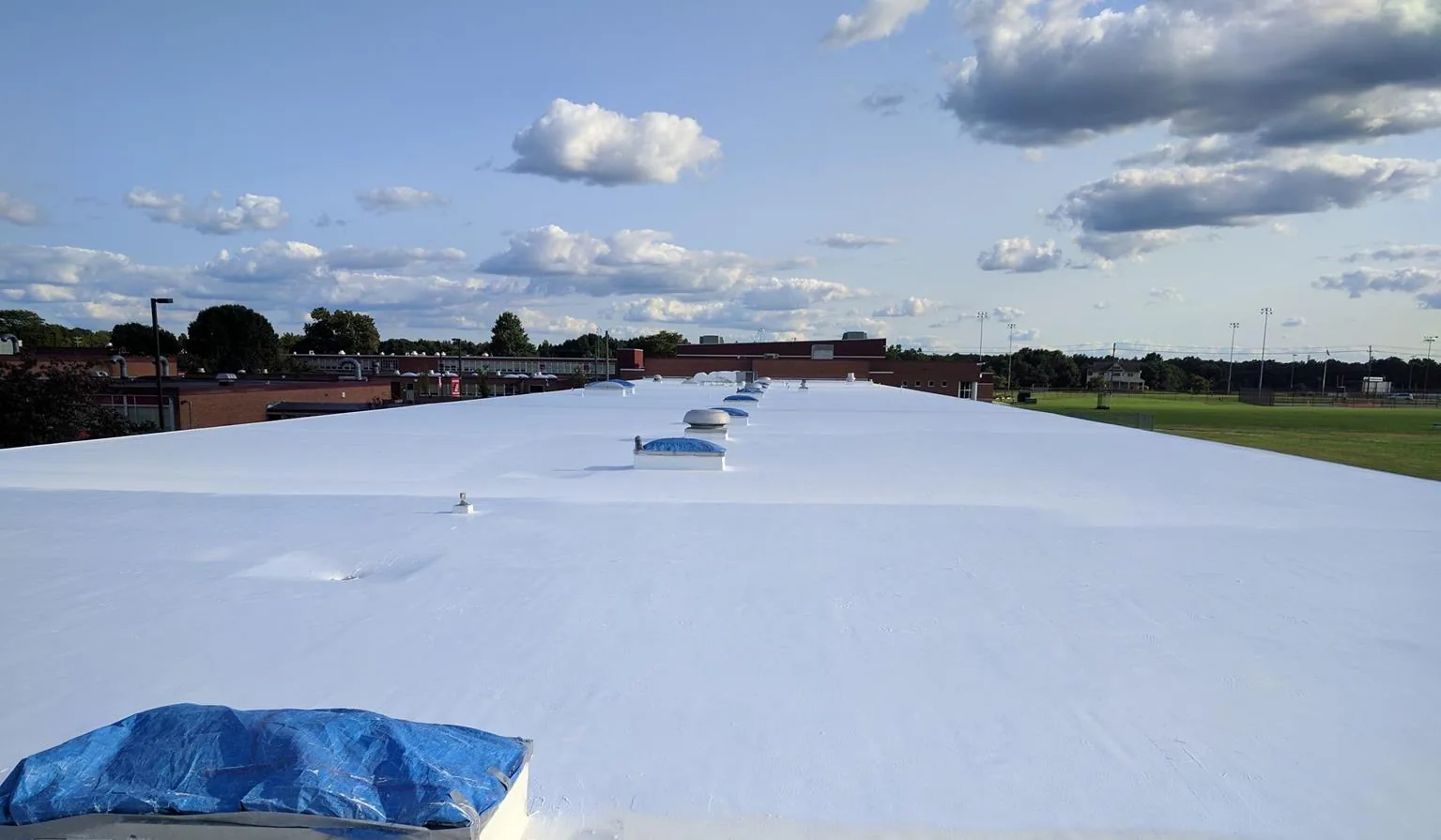
Temporary protection reduces exposure, but its limit depends on wind, rain direction, roof condition, and attachment options. We identify the protected section and transitions that need monitoring. If a curb or perimeter detail is involved, the crew records how it meets the surrounding membrane. Temporary work is not a permanent repair or proof that concealed moisture is gone.
Plantation's wet season brings substantial rainfall and severe thunderstorms. Damaging winds, flooding, hail, and occasional tornadoes can affect the region; tropical systems are more likely during the August-through-October peak. We secure loose material where safe, identify a weather hold, and state what the building contact should monitor. A drain and scupper review can follow when ponding or a blocked outlet is part of the evidence.
Wind can affect edge metal, flashing, equipment transitions, and membrane attachment. We photograph observed conditions and identify what needs permanent inspection. A wind-damage assessment sets that roof-specific boundary.
How is emergency work converted to permanent scope?
Once the roof is safe, the permanent scope identifies the failed detail, compatible material, preparation, and tie-in to sound surface. A seam repair records the affected lap and intersections; a curb repair states flashing height and termination. If removal finds wet insulation or a damaged deck, the crew stops at the authorized limit, protects the opening, and reports the added condition for approval.
The scope separates temporary work from permanent labor and material. It states whether a return visit is needed, what weather controls the schedule, and which quantity remains an allowance. If infrared review or a core cut could reduce uncertainty, we identify the proposed area and obtain approval. A moisture survey can focus the next inspection. On return, compare the protected boundary with current surface conditions after rain and document any water path that continues beyond it. Photograph the tie-in and note whether it remains temporary or meets the permanent repair scope.
Repeated openings, wet insulation, or compromised attachment can justify comparing an overlay feasibility review with a full replacement scope. We show what solves the opening, what addresses broader wear, and what decision can wait until the assembly is understood.
How do you protect active Plantation properties?
Work sequencing follows the space below and roof access above. Plantation Midtown's corporate, medical, housing, and retail mix can place sensitive rooms near active roofs. Gateway's hospital and professional uses add patient, staff, delivery, and equipment constraints. The owner identifies occupied areas, escort contact, and restricted hours. We set an exclusion zone, staging area, and interior contact before work.
During an emergency, communication uses one contact, one roof-zone label, and a clear statement of what remains exposed. The temporary work record goes to the person authorized to approve permanent repair. A hospital roof response plan accounts for occupied operations and access limits.
Heat and humidity affect safe work periods and material closure. We set a weather hold when lightning, wind, or rain makes work unsafe. Florida's 2023 Building Code took effect statewide December 31, 2023; design professionals and local reviewers determine the rules for a specific alteration.
What will the return visit document?
The return visit checks temporary protection, confirms the roof is safe to open, and records the permanent repair boundary. Photos show the roof zone, material removed, substrate, and completed detail. We record any test, repair allowance, or condition that changes scope, then provide the next price decision before added work begins.
Closeout identifies the next weather check and maintenance item that could reduce recurrence. A roof condition report keeps the event record with the building's repair history and separates immediate protection from capital work. The manager receives the remaining weather exposure, the temporary measure's limits, and the exact person to contact if water returns before the permanent visit. If interior finishes were affected, the record identifies that room separately from the roof-zone repair so follow-up access can be coordinated without reopening the roof by assumption.
To request emergency service, provide the affected space, whether water is entering, the access contact, and who can approve temporary work. We will set a protection boundary and return a permanent-scope decision when conditions permit. The record states what remains at risk and who owns the next approval.
Commercial Roofing Questions
Do you respond overnight and during holidays?
Yes. Our emergency line is staffed around the clock, including weekends and holidays. Dispatch starts with the affected room, active water entry, access instructions, and approval contact so the crew can plan the safest first response.
Will the crew make a permanent repair on the first visit?
That depends on safe access, weather, and what the opening reveals. The first visit may stabilize the roof and protect the interior; a permanent repair follows when the material, substrate, and tie-in can be confirmed. We state what remains temporary and schedule the next approval.
What should our building contact prepare before dispatch arrives?
Share the roof access route, escort or key contact, affected room, equipment below, and person authorized to approve temporary work. Keep occupants clear of the affected area and do not send staff onto the roof during lightning or high winds.
Can you tarp a roof during active lightning or high winds?
Crew safety controls the response. If lightning, wind, standing water, or roof instability makes access unsafe, we coordinate interior protection and wait for a safe opening. The dispatch record explains what can be secured now and when roof work can resume.
How is the emergency charge separated from follow-up repairs?
The authorization and closeout identify temporary labor and materials separately from permanent repair quantities. Any concealed condition or expanded repair gets a separate scope and approval. That leaves the owner with a record of immediate protection and the cost decision still ahead.
Related Roofing Work
Request first-hour roof protection
Tell us what space is affected, whether water is entering, who can provide access, and who can approve temporary work. We will dispatch a safe response and set the next repair decision.