Auto Dealership Roofing in Plantation, FL
Property Types We Roof: Auto Dealership Roofing
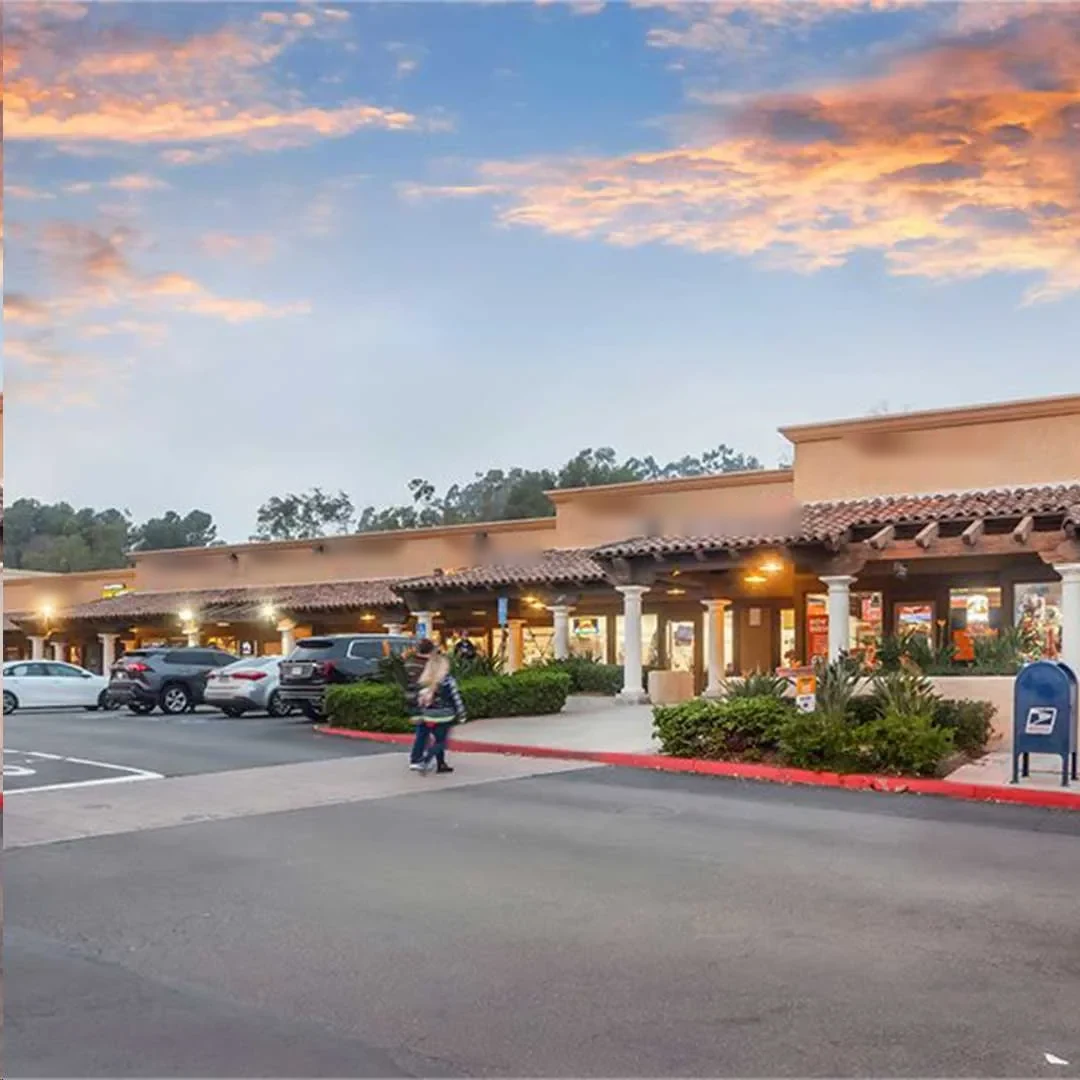
A roof leak over a showroom, parts counter, or service bay threatens more than ceiling finish. The manager has to protect vehicles and equipment, keep customer routes clear, and decide how much roof can be opened before the next storm. Plantation's warm, humid conditions and concentrated rainy season make the work window part of the estimate. We locate the water-entry path, inspect roof seams, drains, curbs, and perimeter metal, and set a temporary dry-in boundary before permanent work is priced. Plantation Gateway follows State Road 7 and includes dealerships alongside medical, office, and retail uses. We confirm service hours, customer routes, inventory placement, and access controls with the dealership manager before staging. A roof inspection identifies the section and next approval.
Which vehicles and customer routes must stay clear?
The roof contact identifies the showroom, customer reception, service write-up area, repair bays, parts storage, and vehicle delivery route affected by the reported water. We record what sits beneath the roof zone and who can approve a temporary move or protective barrier. A small stain may originate above a different bay, so the inspection compares interior evidence with penetrations, seams, curbs, and drains. We record where the likely path begins and which areas remain uncertain before the estimate assigns permanent repair.
Dealership work areas have distinct traffic patterns. A lift truck may need clear turning space, a delivery lane cannot be blocked without coordination, and service equipment may need an agreed shutdown. We review these constraints with the facilities lead and set a work boundary around them. A phased occupied-site plan can sequence roof sections around customer hours and service operations. Parts and loading areas need warehouse roof access planning, while customer reception and office areas need separate pedestrian protection.
What roof details deserve a close inspection?
Dealership roofs may include membrane fields, metal panels, skylights, exhausts, HVAC curbs, and service-line penetrations. We identify the installed assembly instead of assuming one system from a product invoice. The review checks seam condition, attachment, flashings, edge metal, drain bowls, and earlier repairs. Water can travel across a deck or insulation before it reaches the showroom, so the visible ceiling mark is not automatically the roof opening. If a concealed wet area would change the scope, we explain whether infrared testing or a small test opening can help verify its limits.
Service bays introduce exhaust equipment and frequent maintenance access near roof penetrations. We ask who controls shutdowns and whether a mechanic or equipment vendor must coordinate with the roofing crew. If a curb has moved or a boot is open, we specify the transition and nearby surface that must be checked. A curb and support assessment can separate equipment work from membrane correction. Drainage is reviewed as its own condition: a drain and scupper inspection follows the outlet path, while a confirmed membrane opening may call for a compatible puncture repair.
How should a repair handle South Florida weather?
Afternoon thunderstorms, lightning, flooding, damaging wind, hail, and occasional tornadoes can change when a roof is safe to access. Tropical systems can bring a longer wind-and-rain period and a need to secure loose materials or vulnerable openings before warnings. We plan a section size that can be protected before conditions change. The job plan names the stop point, temporary cover, and person who will decide whether work resumes. Current roof conditions and weather alerts guide the schedule; an inspection identifies damage at the dealership.
An urgent leak may require a temporary dry-in before a permanent repair can be scoped. That protection is limited to a defined area and is recorded separately from finished work. Emergency response can be requested at any hour, including holidays, subject to safe access and property authorization. A first-hour response can protect an opening, while a storm inspection records the roof evidence after wind or hail. If rain interrupts a shift, the closeout states which bay or showroom zone remains protected and what must be inspected on the return visit.
When does a dealership need a wider roof scope?
A localized seam or flashing correction may be sufficient when the defect is clear, adjoining material is sound, and the insulation has not taken on moisture. The written scope identifies preparation, material compatibility, tie-in, roof section, and closure condition. Several recurring leaks, wet insulation, loose attachment, or deteriorated edges can point to a broader repair, testing, recover, or replacement decision. Roof access, lift scheduling, disposal, equipment coordination, and customer protection can change cost as much as the repair material.
A coating can be considered only when the existing assembly is compatible, dry, and ready for the specified preparation. It does not repair a failed drain or concealed wet insulation. Recover work depends on the substrate, existing layers, attachment, drain height, and project requirements. For replacement, the permit package should resolve roof assembly, edge attachment, wind loads, insulation, and drainage details for the actual building. A repair scope keeps a defined defect separate from renewal; a recover evaluation states what conditions must be met before an existing assembly stays in place.
What should the dealer approve before mobilization?
Before work, confirm the vehicle protection plan, delivery and customer routes, service-bay schedule, roof access, staging point, and person authorized to approve a change. If material removal exposes wet insulation or deteriorated substrate, the proposal should explain how that condition will be documented and priced before extra work proceeds. Temporary cover, permanent repair, testing, and any concealed-condition allowance should be distinct lines. That gives the manager control over the urgent step without approving an unknown renewal scope.
Keep the roof plan, prior service records, photos allowed by store policy, work dates, installed materials, and open questions together. A condition report ties the finding to a roof zone and records areas not reached. Plantation Gateway's auto dealers sit among medical offices, retail, and professional properties along State Road 7; nearby Midtown also combines offices, healthcare, retail, and housing. Those broad commercial settings have different traffic needs, so crew access has to be checked at the actual store. Closeout should state what was repaired, what remains temporary, and which approval or follow-up inspection comes next.
Service lanes and vehicle display areas can make lift placement more restrictive than the roof repair itself. We confirm where equipment can be staged without blocking customer circulation, identify overhead clearance limits, and protect vehicles from debris or runoff. A repair near a showroom entrance may need a different daily closure than work over a back-of-house bay, so the property contact approves each access zone before mobilization.
Commercial Roofing Questions
Can a dealership keep its service bays open during roof work?
Often, if equipment shutdowns, vehicle circulation, overhead safeguards, and the roof closure sequence are planned with the service manager. The work zone should protect people and vehicles without blocking an unapproved bay or delivery route.
Will the showroom ceiling stain show the roof opening?
Not necessarily. Water can move along the deck or insulation before appearing inside. We trace the likely route through seams, curbs, drains, and wall transitions, and identify what testing would clarify an uncertain area.
Can work happen after customer hours?
It can be considered when the property approves staffing and roof access, and when the remaining weather window supports a secure closeout. The estimate should identify any after-hours cost and the area that can be completed in that shift.
What happens if rain arrives after a roof section is opened?
The crew follows the agreed stop point, protects the exposed area, and tells the property contact what remains temporary. Permanent repair resumes when conditions and access allow, with the return visit recorded separately.
How should we compare repair and replacement costs?
Compare the confirmed defect, moisture extent, removal limits, staging, equipment coordination, customer protection, and daily closure assumptions. We separate immediate stabilization from a renewal option so each authorization has a defined scope.
Related Roofing Work
Keep customers moving while the roof is secured
Tell us which showroom or service area is affected, what customer and vehicle routes must remain open, and who can authorize access. We will inspect the roof and define the repair boundary.