
Storm Damage Roof Repair in Plantation, FL
Commercial Roofing Services: Storm Damage Roof Repair
After a storm, the first call should establish whether the roof is open, what space is exposed, and who can authorize temporary protection. In Plantation, FL, thunderstorms and tropical systems can bring wind-driven rain, hail, flooding, and debris conditions that change access by the hour. We document what is visible at the property, stabilize an active opening when safe, and separate immediate dry-in from permanent repair.
Plantation Midtown includes office, medical, residential, and retail uses, while Plantation Gateway has hospital, dealership, professional, and shopping properties. The occupied area below the damage affects tenant protection, equipment coordination, and timing. The property contact for a Midtown commercial property can identify sensitive rooms before roof access. A first-hour roof response can secure an exposed section while the permanent repair is evaluated.
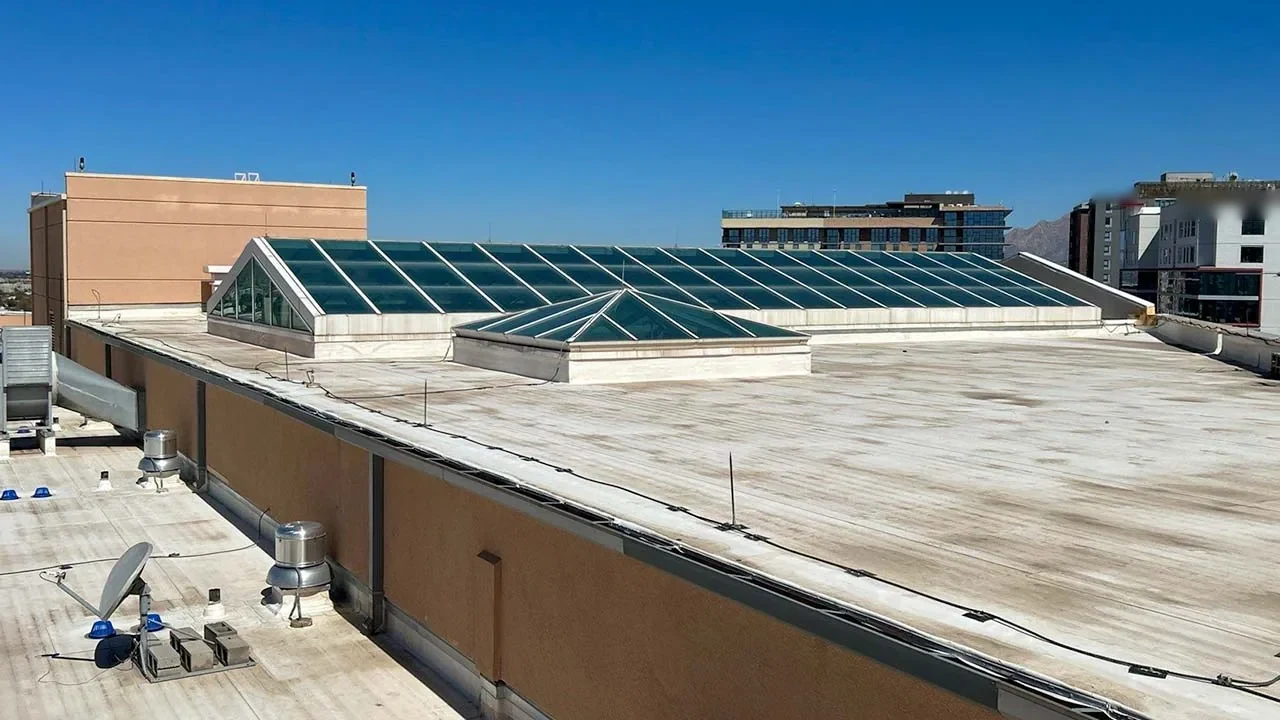
What needs attention before the next rain?
The first walk checks active water entry, loose membrane, open flashing, damaged edge metal, rooftop equipment transitions, and drainage paths. We also look for debris, blocked overflows, or material that could move in another gust. The crew confirms safe access before stepping onto a wet roof or approaching unstable sections. If a condition cannot be reached safely, the report marks it for a return visit rather than suggesting that it was inspected.
Interior protection begins with the manager's description of rooms, equipment, inventory, and occupants below. We identify whether water is still entering and who can approve moving contents, isolating a room, or arranging a ceiling check. The temporary dry-in plan names the covered roof zone, its limits, the weather hold, and the next update contact. A leak-path investigation traces the reported water from the interior mark to roof details after the immediate hazard is controlled.
South Florida's severe-weather season peaks from May through August, with damaging winds, flooding, hail, and occasional tornadoes in the region. Tropical cyclone activity is most common from August through October. Those windows can bring repeated rain and restrict permanent work. We state what can be protected now and what must wait for dry conditions, so the owner can make a clear first-hour authorization rather than treating a temporary cover as a completed repair.
How do you document storm conditions?
We record date, roof zone, direction of view, observed damage, and nearby details that may affect the repair boundary. Photos distinguish a split or displaced component from staining, debris, or an older patch. The report identifies material and quantities only when they can be measured. If removal is required to inspect the assembly, we state what test or opening would answer the question and request approval before expanding the work.
Wind can lift perimeter details, stress flashing, or displace rooftop components; hail may leave impact marks or fractured surfaces depending on the material. We document the storm-related roof damage observed at the property and note any competing cause found during inspection. A hail damage inspection records evidence by roof area for the owner's claim file.
Plantation Gateway's medical and hospital properties may need a response sequence that protects active patient or equipment areas. Midtown's office and retail operations bring different access windows. The report names the contact who can approve follow-up, any roof zone not reached, and whether a second inspection is needed after weather clears. A hands-on condition inspection can establish the post-storm baseline before permanent work is priced.
What belongs in the permanent repair?
The permanent scope ties each repair to the observed damage and a defined roof boundary. A seam repair identifies lap length and intersections; flashing work names the curb or wall transition; an edge repair states metal, fastening, and tie-in limits. If the deck or insulation is concealed, testing can confirm what must be removed. The authorization separates measured quantities from an allowance for conditions exposed after opening.
Heat, humidity, and frequent rainfall affect preparation and closure. We state which work can proceed in the current window, where temporary protection remains, and what weather stops installation. If concealed wet material appears, the crew protects the opening and reports the change for approval. A planned roof repair can address adjacent failures when the inspection supports combining them; unrelated wear remains outside the storm scope.
If several roof zones show repeated failure, moisture testing or an assembly review may be the better next decision. An infrared moisture survey can identify areas for verification. A recover or replacement comparison should use the same documented roof map and state what the owner would remove, retain, or test. We keep those broader options separate from urgent work that stops water entry now.
How will repairs fit an active property?
Storm response may happen while staff, tenants, patients, or customers are still on site. The manager identifies restricted rooms, equipment, delivery paths, and hours that affect access. We set a roof route and staging area, then coordinate interior protection through one contact. Along Plantation Gateway, hospital and professional uses may have access rules beyond a typical office; Midtown's mixed-use blocks can need notices for more than one occupant.
If a storm repair changes attachment or alters the roof assembly, the owner may need project-specific code review before permanent work proceeds. The design team and building official decide that path. Our scope identifies the roofing detail and keeps that decision separate from the immediate damage quantity. Structural, electrical, and mechanical work stays with the responsible trade.
When lightning, high wind, or rain interrupts the work, the weather hold identifies what is protected, who checks the boundary, and when the crew returns. The owner receives a closeout photo and any revised quantity before additional roof area is opened.
What records should remain with the building?
Keep the initial condition photos, temporary protection record, repair authorization, material description, final photos, and any test results together. The closeout lists completed work, excluded areas, unresolved conditions, and return visits. The owner can submit a storm damage record with photos, repairs, and test results; the carrier makes coverage decisions.
A photo-supported condition report also carries the storm record into maintenance planning. It should show what changed, which repairs remain under observation, and when to recheck drains, seams, edges, or equipment transitions. If the roof needs a longer-term option, an overlay or replacement assessment can follow once conditions are dry and confirmed.
To arrange a post-storm review, share when water appeared, the affected room, any current opening, roof access instructions, and who can authorize temporary work. We will set the protection boundary, document observed damage, and return a permanent repair scope with any testing or broader project decision separated.
Commercial Roofing Questions
Should we wait until the storm has fully passed to call?
Call when a roof opening or active water entry creates an immediate building concern. Dispatch will check whether conditions allow safe roof access and coordinate interior protection if they do not. Permanent inspection follows when the roof can be reached safely.
Does a storm report prove my roof was damaged?
No. A regional report identifies weather context; our assessment documents visible conditions on your building. We label observed damage, record competing causes, and request testing if concealed conditions could change the repair boundary.
Can you provide photos for an insurance file?
Yes. We record date, roof zone, observed condition, temporary protection, completed repairs, and test results when authorized. The documentation supports the owner's review but does not determine whether a claim is covered.
What if the roof cannot be accessed safely after the storm?
The report will identify deferred roof zones and any immediate interior measures. We wait for safe conditions, provide an updated visit window, and avoid describing an unseen area as inspected or undamaged.
When does storm repair become a replacement decision?
Broader failure, confirmed wet insulation, recurring openings, or a compromised deck can justify a larger review. We document what supports that option and keep it separate from temporary protection and the repair needed to stop active water entry.
Related Roofing Work
Set the storm-response boundary
Tell us where water appeared, what space is below, whether an opening remains, and who can approve access and protection. We will document the roof condition and return the next repair decision.