Commercial Roofing in Oakland Park, FL
Service Areas: Oakland Park
Oakland Park's Culinary Arts District serves a commercial mix that includes restaurants, bars, fitness centers, and distilleries. Restaurant, bar, fitness, and distillery operations can call for different roof access and work windows; the property manager confirms the building's current schedule and equipment needs. We check how water drains, whether seams and transitions remain secure, where equipment sits, and which interior spaces need protection. The property manager identifies access, deliveries, public entrances, and work-hour limits before a crew is scheduled. The site contact confirms access, deliveries, public entrances, and work-hour limits before we determine whether leak repair, maintenance, restoration, or replacement fits the observed condition. A Lauderdale Lakes roofing service area supports nearby regional work, while this Oakland Park scope is based on its own roof and access plan.
In a restaurant or fitness operation, an owner may need to coordinate roof access around customers, mechanical equipment, and interior work. A distillery or bar may have separate equipment or operating conditions that the site contact explains. The inspection confirms which equipment, operating limits, and interior protections apply, then identifies any test or trade handoff that would change the recommended work. An active opening can be closed temporarily while the permanent repair is priced with clear limits.
Plan for the businesses the city identifies
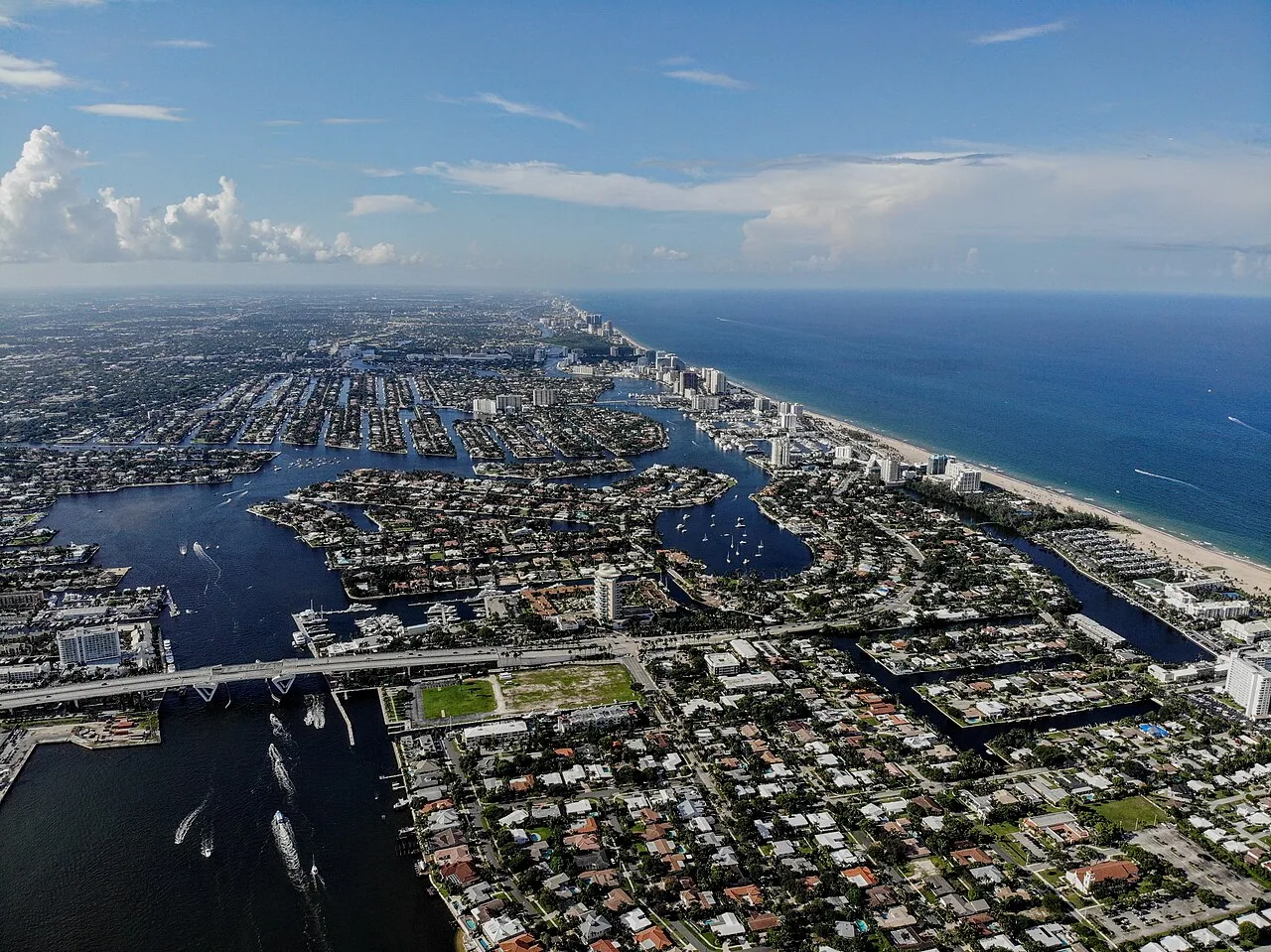
Oakland Park's Culinary Arts District includes restaurants, bars, fitness businesses, and distilleries. Each can have distinct hours, ventilation, rooftop equipment, deliveries, and interior protection needs. Before mobilization, the property manager confirms actual operations and any limitations on noise, access, staging, or shutdowns. The crew then sets a safe roof route and chooses a work sequence that protects active entrances and closes the roof at the end of each shift. If other contractors are working on the building, the owner confirms who controls each system.
For an active leak, a temporary roofing response can protect the affected area while inspection determines the permanent repair. If broader work is needed, phased installation can help keep defined areas in service, subject to the owner's plan. We state where materials will be staged, how debris leaves the roof, and which space below needs protection. A change in opening size or concealed conditions is brought back for approval. The business operator receives the approved work window, roof boundary, and daily closure point before crews mobilize.
Trace the leak and check the full water path
Water may travel from the point of entry before it appears in a ceiling, wall, or equipment area. We ask when the leak begins, which rooms are affected, and whether previous repairs changed the symptom. Then we inspect the likely roof zones and nearby transitions: parapets, curbs, wall flashings, seams, drains, scuppers, skylights, and penetrations. The written records distinguish an observed opening from a suspected path and identify areas that require a test opening before concealed conditions can be confirmed.
Fort Lauderdale's climate normals record warm, humid conditions and substantial year-round rainfall. During South Florida's rainy season, we prioritize outlet checks and secure overnight closure on Oakland Park roof projects. A ponding-water inspection can check outlet flow and low areas, while a flashing evaluation may address a failed wall or curb detail. If water is suspected within insulation, we discuss how a moisture survey or approved opening could narrow the repair. A moisture survey or authorized test opening confirms whether water has reached the insulation before we expand the repair scope.
Match the repair to the existing roof
Oakland Park's commercial businesses do not share one roof assembly. We identify the system from visible material, edge details, seams, attachment, and any owner records available. A thermoplastic seam, an EPDM patch, a modified-bitumen lap, a coating, and a metal panel each require different compatible preparation and repair materials. If system identification is uncertain, the scope states that limit and may recommend a closer examination before a permanent method is chosen.
A localized repair is appropriate when the failure is contained and adjacent material provides a sound tie-in. Recurrent leaks, widespread surface change, wet insulation across multiple areas, or repeated patch failure may call for a comparison with restoration or replacement. The estimate separates access, removal, disposal, insulation, deck assumptions, membrane or metal, flashing, and completion checks. A roof condition inspection can establish a broader baseline. For several sites, asset planning can help the owner organize priority and timing. We explain cost drivers and exclusions instead of using a general building category to justify a large scope.
Keep work safe around customers and equipment
The property contact tells us which doors remain open, where customers queue, when deliveries arrive, and what equipment needs uninterrupted service. We confirm the access ladder or hatch, fall-protection plan, material staging location, and route for removing debris. If the roof is above a restaurant kitchen, fitness floor, bar, or production room, the manager identifies conditions below that require protection. We coordinate shutdowns or equipment movement with the responsible trade and keep that work outside the roofing allowance unless it is specifically authorized.
For jobs that cross multiple roof sections, the daily plan should state what is complete and what remains protected. If rain or a schedule change stops work, the crew returns the roof to a secure boundary. A restaurant roof work plan can frame kitchen and customer coordination where that use is confirmed. If a storm moves perimeter material, a wind inspection can address that separate condition. The owner decides when interior spaces reopen and controls customer notifications. We report roof status in practical terms: dry-in complete, permanent detail pending, area not accessed, or repair ready for follow-up.
Use inspections and maintenance to control future risk
When roof work alters an assembly, the qualified design professional reviews applicable state and county provisions. We identify the visible existing system, proposed materials, and scope boundary so the owner can share them with that team. The crew proceeds only within the approved work plan, and the final record states what was installed and which open condition needs another trade or inspection. If the project includes façade, site, or other building work, we identify the roof interfaces and coordinate the approved scope with the property team.
For a neighboring municipality, our Lauderdale Lakes commercial roofing area has its own site-specific scope. Oakland Park closeout identifies the roof section checked, repair material, and any item left for a separate trade. The manager receives a concise next action and can schedule a follow-up before another maintenance cycle.
Restaurants, fitness businesses, and distilleries named in the city's commercial profile can have different delivery hours and rooftop equipment needs. At each property, we check grease exhaust, HVAC curbs, service paths, and the access window before defining the repair area. Those observations determine where protection belongs and whether work can proceed above occupied space without crossing an active customer or delivery route.
Commercial Roofing Questions
Can you work on a restaurant roof while it is open?
Often, if the manager approves access, staging, noise windows, and protection below. Kitchen operations and customer routes should be shared before the work plan is set.
Does the Culinary Arts District mean every roof is commercial?
The district includes commercial destinations; our inspection identifies the specific building use, roof assembly, and repair condition before we recommend a scope.
What if a leak only appears during heavy rain?
We compare the reported timing with drains, seams, transitions, and likely water paths. If the opening is not visible, the report states what additional test may help.
Can routine maintenance prevent every leak?
No. It can identify visible changes and keep drainage details clear, but hidden damage or sudden weather effects can still require separate inspection and repair.
Will a roof estimate include moving HVAC equipment?
Equipment movement is coordinated with the responsible trade and included only when authorized. The proposal identifies any shutdown or access dependency.
Related Roofing Work
Request a commercial roof inspection in Oakland Park
Tell us the property's use, roof access and operating limits, prior repairs, and any active leak. We will identify the inspection boundary and the next roofing decision.