Commercial Roofing in Northwest-Progresso-Flagler Heights CRA, Fort Lauderdale, FL
Service Areas: Northwest-Progresso-Flagler Heights CRA
The Northwest-Progresso-Flagler Heights Community Redevelopment Area is a Fort Lauderdale district with an implementation plan extending through November 7, 2035. Its framework covers economic development, housing, public improvements, transportation and mobility, and redevelopment support. For an owner coordinating commercial improvements in this district, the roof scope starts with the specific building: confirm its assembly, access, current leaks, and vulnerable details before setting the work sequence. Redevelopment may bring façade, utility, or public-access work beside a roof project, so the owner identifies current site instructions and operating hours. On the Central City CRA, commercial work follows its own roof conditions and access plan.
We start with a short operations discussion, then inspect safe, accessible roof areas. The first pass checks drainage, perimeter metal, wall and curb flashings, seams, penetrations, equipment supports, and signs of water inside. We record the parts we could not reach and avoid treating a visible ceiling mark as a confirmed roof opening. If an active leak requires protection, temporary closure is scoped separately from permanent repair. That gives the owner a clear way to authorize urgent work while keeping the long-term building plan intact.
Connect roof repairs to redevelopment timing
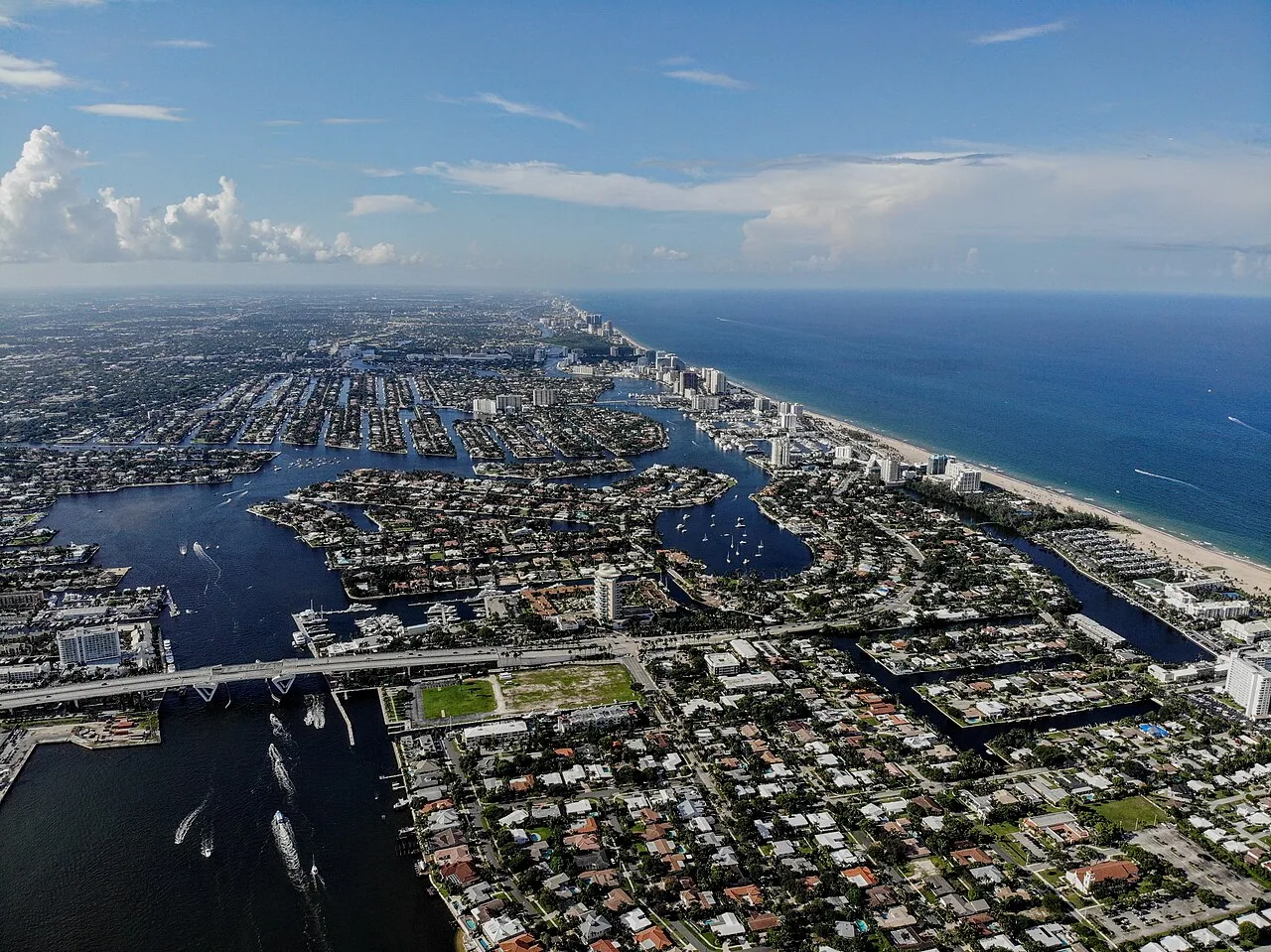
The CRA's stated objectives include infrastructure improvements, private investment, and opportunities for residents and businesses. A property owner planning a building improvement may need to coordinate roof replacement, façade work, public access, or utility changes. We ask which projects are active and who approves the sequence before staging materials or opening roof areas. If a roof edge meets an upcoming exterior project, the proposal identifies the interface and the trade handoff rather than assuming that one contractor owns both scopes.
For a roof that must remain in service, a documented inspection can help the owner prioritize immediate failures and deferred maintenance. A condition inspection records accessible areas and open questions. If the building remains occupied, phased roof work can divide production into approved zones. The project manager confirms hours, access, public paths, tenant notices, and weather closure. Costs depend on the existing system, removal limits, assembly condition, staging, and the number of details requiring restoration. We state those assumptions so a redevelopment schedule can be compared against a roofing scope that is realistically defined.
Inspect the roof before selecting a repair method
A roof repair begins by identifying the system as far as visual evidence allows. TPO, PVC, EPDM, modified bitumen, coating, built-up roofing, and metal assemblies require different preparation and compatible materials. We check field seams, edge conditions, wall transitions, curbs, skylights, drains, scuppers, and prior patches. When a leak is reported, we compare the interior location with the likely roof path and state whether the entry point is confirmed or only suspected. If a test opening would change the repair quantity, the owner approves its location and closure method before work proceeds.
Fort Lauderdale's long-record rainfall normal is 60.95 inches annually, with 37.49 inches occurring in the South Florida rainy season. That seasonal load makes clear drainage paths and temporary protection central to roof repair planning in the Northwest-Progresso-Flagler Heights CRA. A ponding-water inspection can evaluate outlet flow and low areas, while a flashing repair assessment addresses a confirmed transition failure. If below-surface moisture matters to the decision, we explain whether survey or test methods may help and how results will be confirmed. The report separates observation, testing, and recommendation instead of making a concealed condition sound certain.
Protect users and shared access during roof work
Transportation and mobility are among the NPF CRA plan's implementation areas. A roof project may intersect with a sidewalk, parking lot, public entrance, or nearby construction, so the owner should confirm the allowed staging and pedestrian controls. We ask for current site instructions, not a generalized district assumption. If a lift, dumpster, or delivery occupies shared space, the required permission and timing must be clear before mobilization. The daily plan includes a secure stop point in case rain or wind interrupts work.
Inside the building, the property team identifies rooms needing protection, equipment that must stay active, and any access routes that cannot be blocked. An emergency dry-in can limit water entry before permanent work is ready. A wind-damage review can check a separate edge or panel concern if inspection shows movement. The owner manages business operations and occupant notices; the roofing crew reports what roof sections are completed, protected, or pending. If another trade must isolate equipment or evaluate a structural condition, the proposal names that dependency so the crew does not close a roof detail over an unresolved safety issue.
Choose between repair and broader capital work
For work that changes the roof assembly or its energy performance, the owner's design professional checks applicable Florida and Broward requirements before the scope is released. We supply the system description and proposed tie-in for that review. Our closeout then lists the repair boundary, material, and open trade dependencies so the project team can reconcile its construction schedule. That handoff is useful in a district with several improvement priorities, where roofing work may need a clear approval path.
Document completed work and open decisions
At closeout, the owner should receive the repair locations, materials installed, preparation or testing performed, and the areas that remain outside scope. Photos should show the roof detail and its location, while records explain anything hidden under a temporary cover or not safely accessible. If a test or another trade's review remains pending, list who is expected to complete it and what decision follows. This record can travel with the property through a longer improvement program without suggesting that roofing alone resolves all building conditions.
The NPF CRA implementation framework runs through November 7, 2035, and includes economic development, housing, public improvements, transportation, and redevelopment support. We coordinate the roof work with the owner's active project schedule and the building conditions found on site. The next step may be immediate leak protection, a localized repair, a test for concealed moisture, or a separate replacement proposal. For a project near Fort Lauderdale Uptown, the roof plan should likewise match that building's access and occupied hours.
For each visit, we also record weather at the time of work, roof access restrictions, and the exact boundary of any temporary protection. The owner can use those details to decide whether a return visit should address the same roof section or a separate condition. Each closeout also identifies the approval contact and any weather or access limit that could change the next visit. This is especially useful when a later improvement team takes over the property record. It lets the owner compare a fresh inspection with prior roof observations while keeping planning documents and earlier service records separate from current inspection findings.
Commercial Roofing Questions
Does the CRA plan tell you what work my roof needs?
No. The plan outlines redevelopment priorities. Roof recommendations come from inspecting the building and documenting its system, visible condition, and open questions.
Can roof replacement fit into a larger property improvement?
Yes. We can identify roof interfaces, access windows, and trade handoffs so roofing work can be scheduled with the owner’s broader project plan.
What happens if you cannot inspect every roof area?
The report identifies the areas reached and lists portions that remain uninspected. The owner can authorize a safe return or a separate test where needed.
How do you handle an active leak during redevelopment?
We locate the accessible roof area, confirm site release and authorization, and scope temporary protection separately from permanent repairs.
Will an estimate include structural or interior repairs?
Those scopes are separated and assigned to the appropriate qualified trade. The roofing proposal states dependencies and any area that cannot close until they are resolved.
Related Roofing Work
Coordinate a roof assessment in the NPF CRA
Share your building's roof history, active project schedule, access rules, and any leak. We will inspect the authorized area and define the roofing scope and handoffs.