Roof Warranty Management in Plantation, FL
Roofing Capabilities: Roof Warranty Management
A warranty file is useful only when its terms, roof identity, service history, and open questions stay connected. The owner needs to know which assembly a document covers, what maintenance or notification it requires, and who will contact the issuer before work changes the roof. Plantation's humid climate and seasonal storms make routine inspection and prompt documentation relevant, but weather does not determine coverage. We organize available warranty papers with the inspected system, prior repair records, maintenance dates, and issuer correspondence. The files should remain separate by property, especially across Plantation Gateway, where offices, retail, dealerships, medical sites, and hospital uses share a broad corridor. A current roof inspection establishes what is visible today; the document's issuer decides how its terms apply.
Which roof and document belong together?
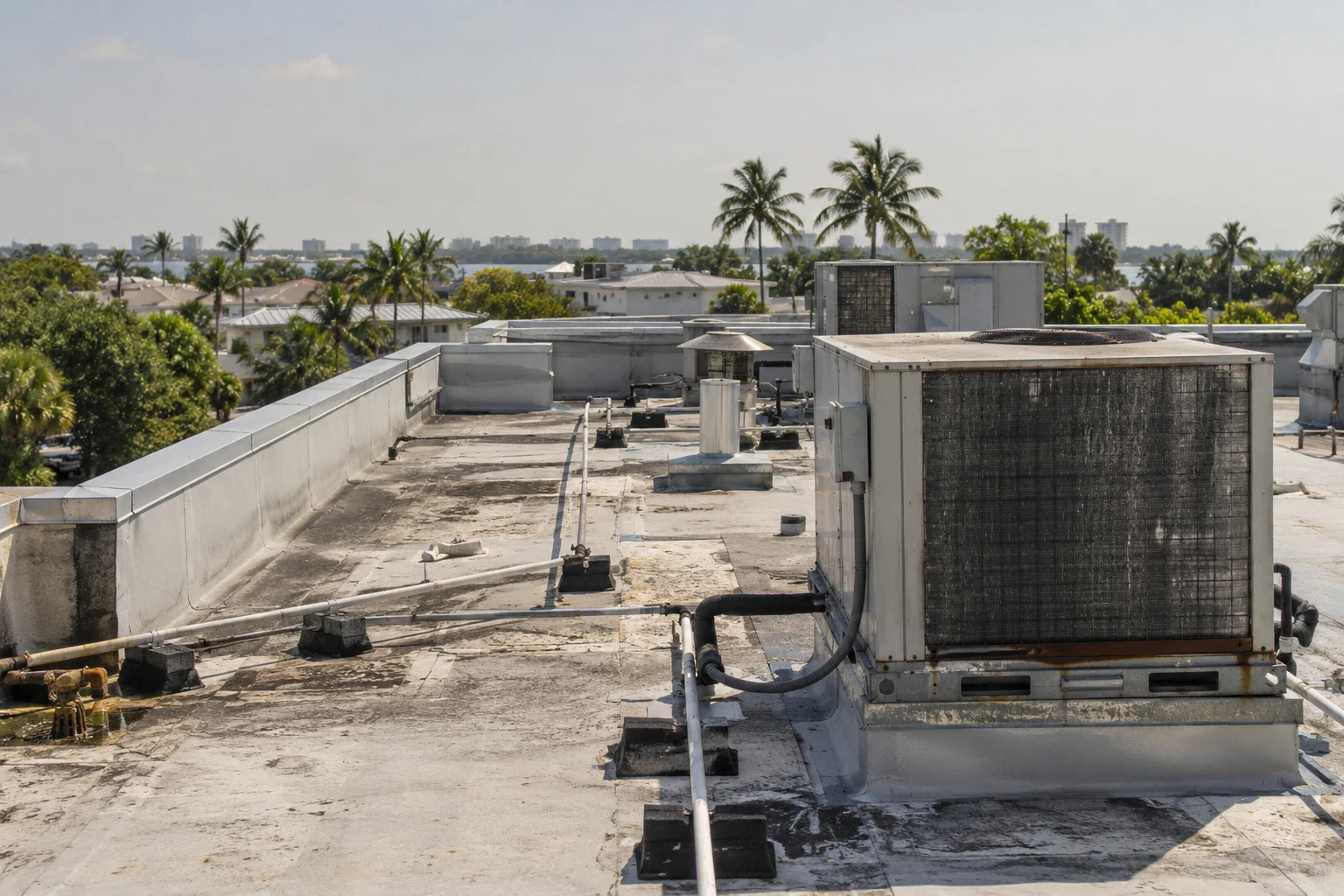
Start with the building, roof section, manufacturer or system information available, installation or repair record, and any stated term or maintenance condition. Confirm the document references the assembly now on the building. A property can include an addition, overlay, replacement section, or repair that changed the original roof configuration. We compare available plans, invoices, closeouts, and current inspection findings, then mark any mismatch for owner or issuer review. A product name on an old invoice does not by itself prove what remains installed across every roof area.
The Midtown district places workplaces and healthcare alongside retail and residential uses. A portfolio may therefore contain different buildings and roof assemblies, each with its own file and responsible contact. A condition report can identify the inspected zones and limits; a roof asset record can keep that report beside the service history. Label documents by property and roof section instead of attaching one warranty to an entire portfolio without checking the covered work. When several versions exist, retain the signed or issued copy, record any amendment date, and keep a superseded file for history without treating it as current. Identify whether a roof repair or later project has its own closeout and material record. If the document does not clearly match the assembly observed, list that question for the owner before the work scope relies on the file. Set a review date after a major repair, roof replacement, or change of property manager.
What does the file need to track?
Retain the full document, product and assembly references, approved submittals if available, completion record, maintenance requirements, repair history, and issuer contact method. Record any inspection or notice deadline stated in the actual terms. If a document limits repairs to specified materials or procedures, flag that clause before selecting a repair approach. We can identify the roof condition and the work proposed; the issuer interprets its own coverage, exclusions, and response obligations.
Keep owner requests, inspection results, contractor work, and issuer responses in distinct dated entries. A maintenance visit may clear accessible drains or document new surface conditions, but the closeout should show precisely what was done. If a leak requires urgent cover, record the affected section, materials, and approval, then determine whether issuer notice is required under the applicable document. A repair scope should state the existing system and tie-in material so the owner can review it against available requirements before authorization.
When should the owner contact the issuer?
Follow the notice and maintenance language in the particular warranty. A storm report, interior leak, planned alteration, equipment project, or visible deterioration may call for a different step under different terms. South Florida's rainy-season hazards include damaging thunderstorm winds, flooding, hail, and occasional tornadoes; tropical systems can bring extended periods of wind and rain. Those conditions can prompt an inspection; the written warranty and observed roof condition determine coverage and repair needs.
When water is active, protect the interior and roof opening safely, document the temporary measure, and preserve the information the issuer may require. Do not delay necessary safety measures while searching for an old file; identify the notice process as soon as practical. An active leak can be reported any time, holidays included, though crew dispatch follows safe access, current weather, and site approval. For a storm claim, a documentation visit records observed conditions and work performed without deciding policy coverage. Insurance and product warranties are separate decisions and should remain separate in the file.
What work can affect future coverage?
Repairs, coating applications, added equipment, rooftop penetrations, recover layers, and replacement can change the assembly or its details. Before work, compare the proposed method with the available warranty language and request issuer direction if the document requires it. A compatibility question should be answered for the actual materials and roof condition. We identify where water entered, what preparation is required, and which surrounding details must be restored. The estimate should not promise that an issuer will accept a proposed repair.
Coating restoration needs compatible substrate, preparation, and acceptable moisture. It does not solve wet insulation or a failed drain. Recover work requires review of layers, attachment, drainage height, and system requirements. A recover assessment can document those conditions before the owner commits to another layer. A TPO system review or other system inspection should still identify what is installed and the specific repair detail. The issuer's written response, if requested, belongs beside the proposal and final closeout.
How should the owner prepare for renewal or sale?
As a roof approaches a larger project, compile the original documents, current inspection, completed repairs, maintenance log, photographs permitted by policy, and unresolved issuer questions. Confirm which section each paper describes and whether later additions or repairs were included. A capital plan can compare the documented condition with repair, recover, or replacement timing. If ownership is changing, a due-diligence roof survey records the visible condition and limitations; it does not replace an issuer's coverage review.
Before a contractor visit, share the roof plan, current leak reports, access rules, maintenance records, warranty documents, and authorized contact. We can return an inspection record and proposed scope for the owner to review against the file. The handoff should state which repairs were completed, what materials were installed, which sections remain temporary, and whether notice or approval is still pending. Keep the issuer's written direction with the work record so the next facility manager can see how the terms relate to the current roof and completed work.
Commercial Roofing Questions
Does a roof warranty automatically cover a leak?
No. The document's scope, exclusions, maintenance and notice requirements, roof condition, and issuer decision control. We can inspect and record the condition, but coverage questions go to the issuer.
Should the owner call the issuer before emergency protection?
Follow the specific document when practical, but do not leave a hazardous opening unprotected. Record the condition and temporary measure, preserve the work details, and contact the issuer through its required process as soon as appropriate.
Can a repair affect future warranty coverage?
It may, depending on the document, system, materials, and method. Review the actual terms and seek issuer direction when required before authorizing a change to the assembly.
What if the roof system listed in the warranty does not match the site?
Mark the discrepancy and compare available plans, work records, and current inspection findings. The owner or issuer should resolve which roof section the document covers before relying on it for a repair decision.
Can a warranty file be transferred to a new property manager?
Yes. Provide the full document, issuer contact, property and roof-section references, maintenance log, repair closeouts, and pending questions. The new manager should review notice and maintenance obligations with the issuer.
Related Roofing Work
Put warranty terms beside the roof evidence
Share the warranty documents, roof plan, repair history, current concern, and person who can authorize access. We will inspect the roof and return documented findings for the owner to review with the issuer.